

Link building services can save a team time, but a vendor list alone does not explain how links will be earned, reviewed, reported, or maintained. The useful comparison is the evidence each provider can show before work begins.
This is a public-page comparison of four services, not a performance ranking or endorsement. Use it to build a shortlist, then verify current terms, publication standards, and reporting with the provider before signing.
| Service | Public-page emphasis | A reason to investigate | Evidence to request first |
|---|---|---|---|
| uSERP | Authority-focused link-building campaigns | A team wants a strategic campaign partner | Sample prospect approvals, placement criteria, and reporting format |
| Siege Media | Content-led link earning | The link plan needs strong assets as well as outreach | Asset examples, editorial process, and how link attribution is reported |
| Page One Power | Custom link-building programs | A team needs a tailored outreach workflow | Prospect qualification rules, approval controls, and change handling |
| Editorial.Link | Editorial placement controls and reporting | A buyer wants to inspect how quality controls are applied | Publication criteria, disclosure process, and a representative delivery report |
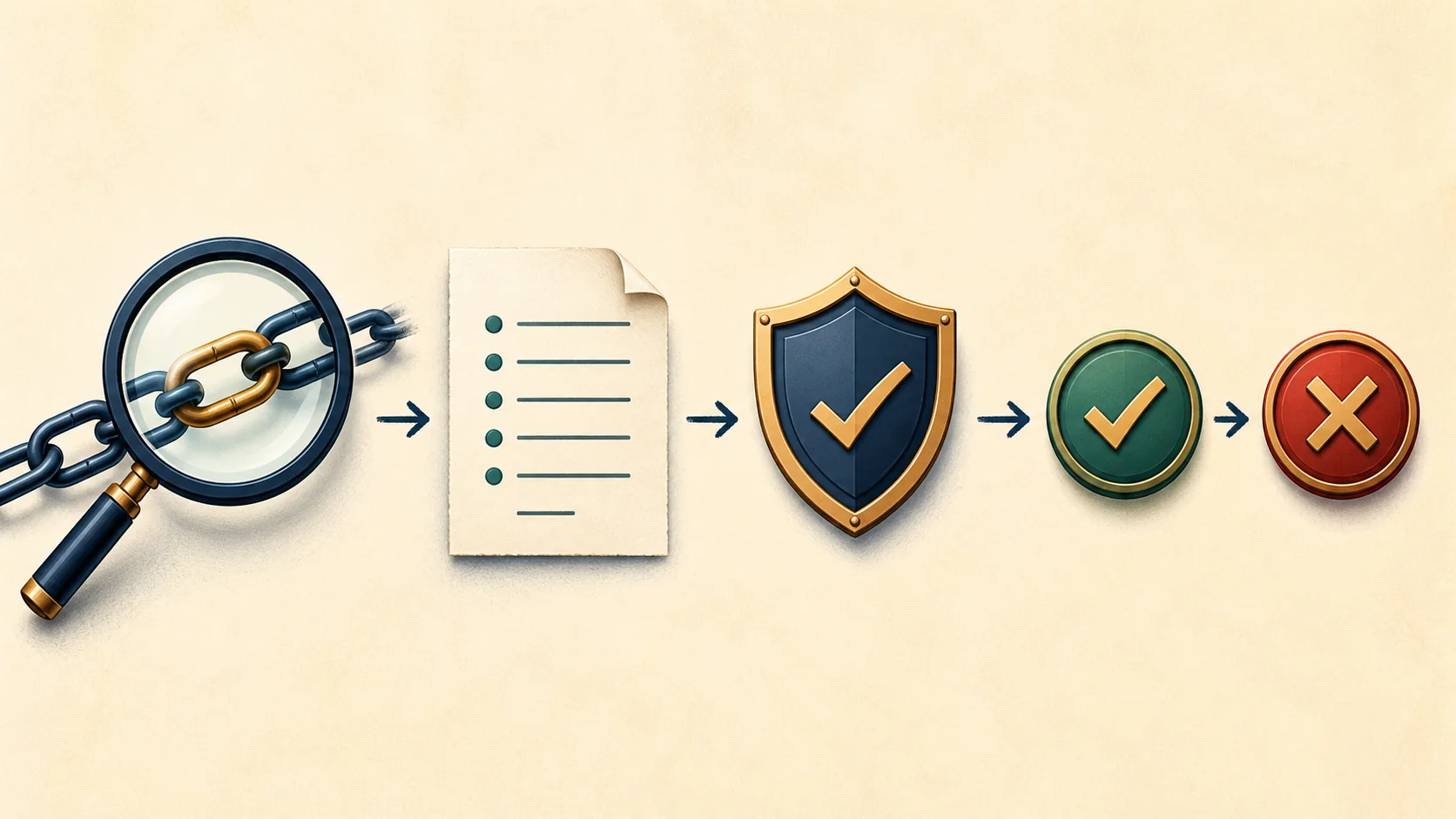
Compare delivery controls before monthly output
The first question is not how many links a service says it can deliver. It is whether the delivery model fits your site, your subject-matter expertise, and the way your team approves risk. Ask every shortlisted provider to walk through one representative placement from prospecting to report delivery.
Use the same four checks for every option:
- Topical fit: Can the provider explain why a publisher, page, and proposed anchor are relevant to the page you are trying to improve?
- Editorial control: Can your team review prospects, assets, anchors, and substitutions before they go live?
- Evidence quality: Does the report include the live URL, publication context, delivery date, and the change that occurred when a placement did not go through?
- Risk control: Is there a written rule for paid placements, disclosure, low-quality networks, replaced pages, and links that later disappear?
The link prospecting workflow is useful after a provider hands over a proposed list. It gives the in-house team a way to judge relevance and editorial fit rather than treating an export as a finished decision.
1. uSERP for an authority-focused campaign brief
uSERP's public service page presents the company as a link-building agency for larger brands and emphasizes authority-oriented campaigns. That public positioning makes it worth investigating when a team has a clear category, target pages, and a person who can approve the relationship between each placement and the campaign goal.
Start the conversation with a small, inspectable brief. Name the pages that need support, the topics that are genuinely defensible for your brand, the publishers that would be relevant, and the approvals your team needs before outreach begins. Then ask for an anonymized sample showing how a candidate site was qualified and how a replacement was handled.
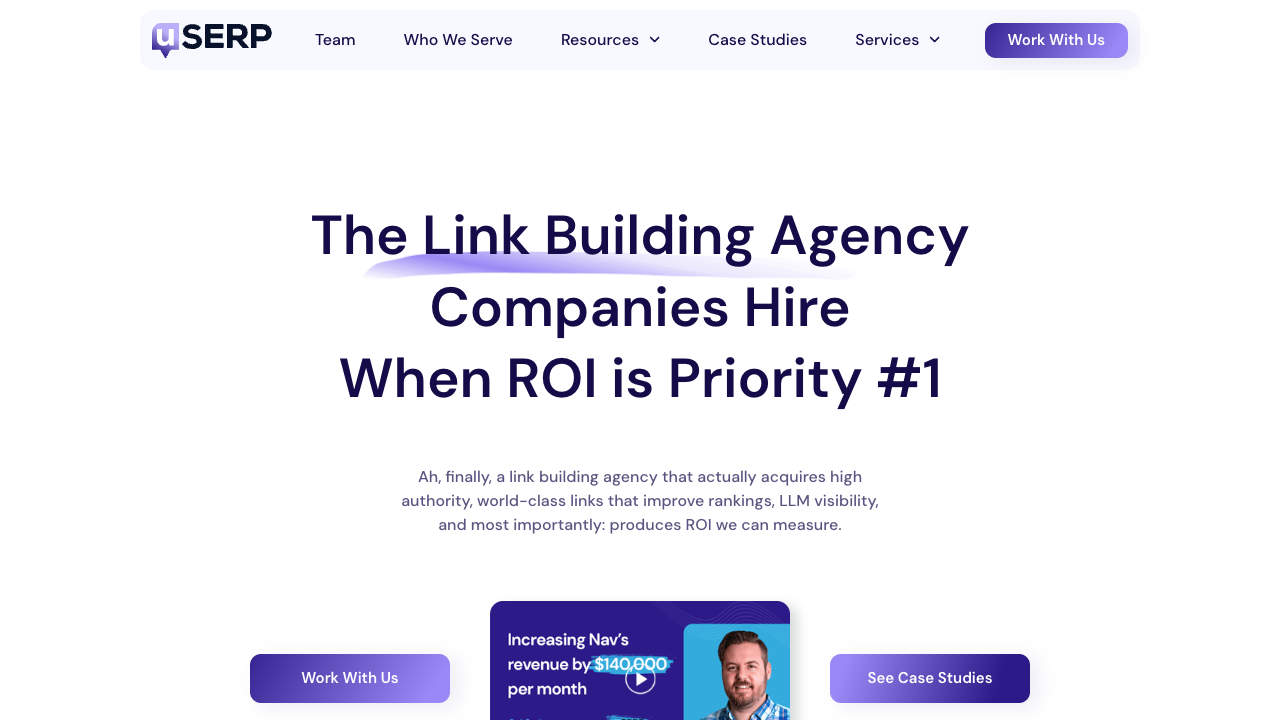
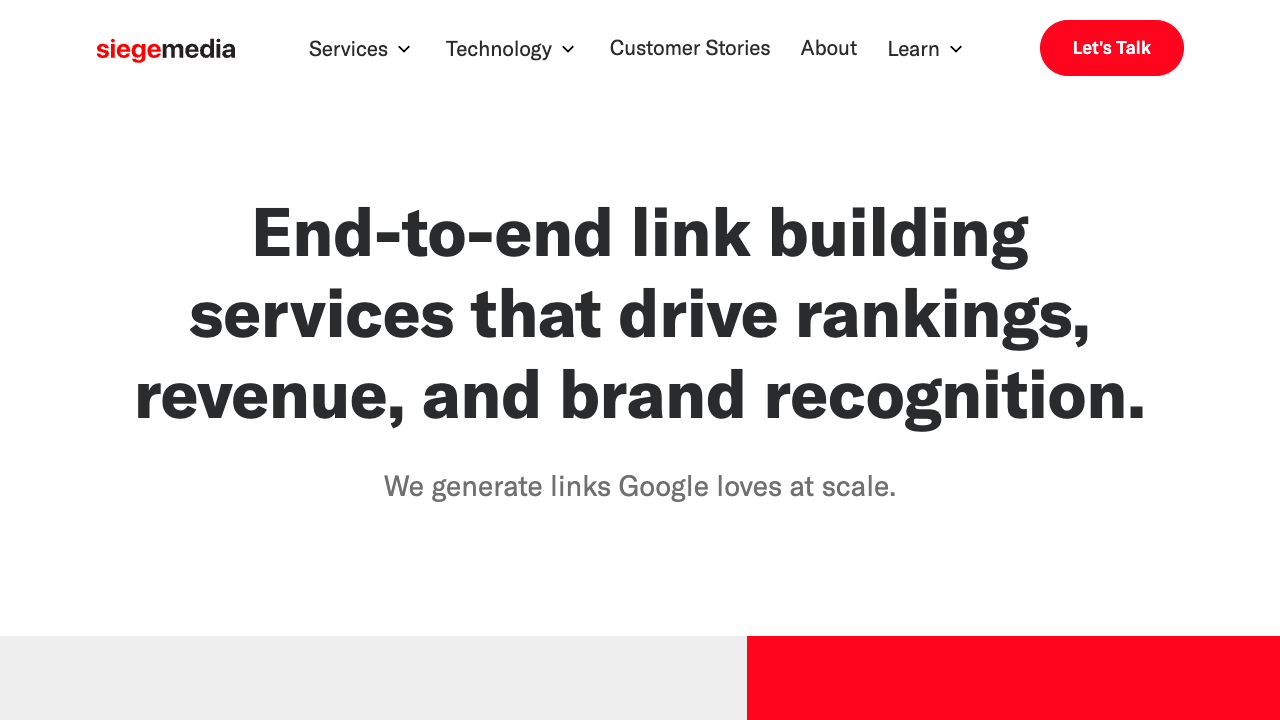
2. Siege Media when the link plan depends on useful assets
Siege Media's public link-building page describes a content-led approach. That is a relevant model when the organization needs help producing genuinely useful content assets that publishers may choose to reference, not simply outreach volume around an existing page.
The due-diligence question is whether the content work and link work are connected. Ask which team owns the research, what makes an asset useful to a publisher, whether subject-matter review is available, and how the service separates earned editorial coverage from paid distribution or promotion. A strong asset can improve your digital PR process too, but it still needs a reviewable outreach and reporting path.
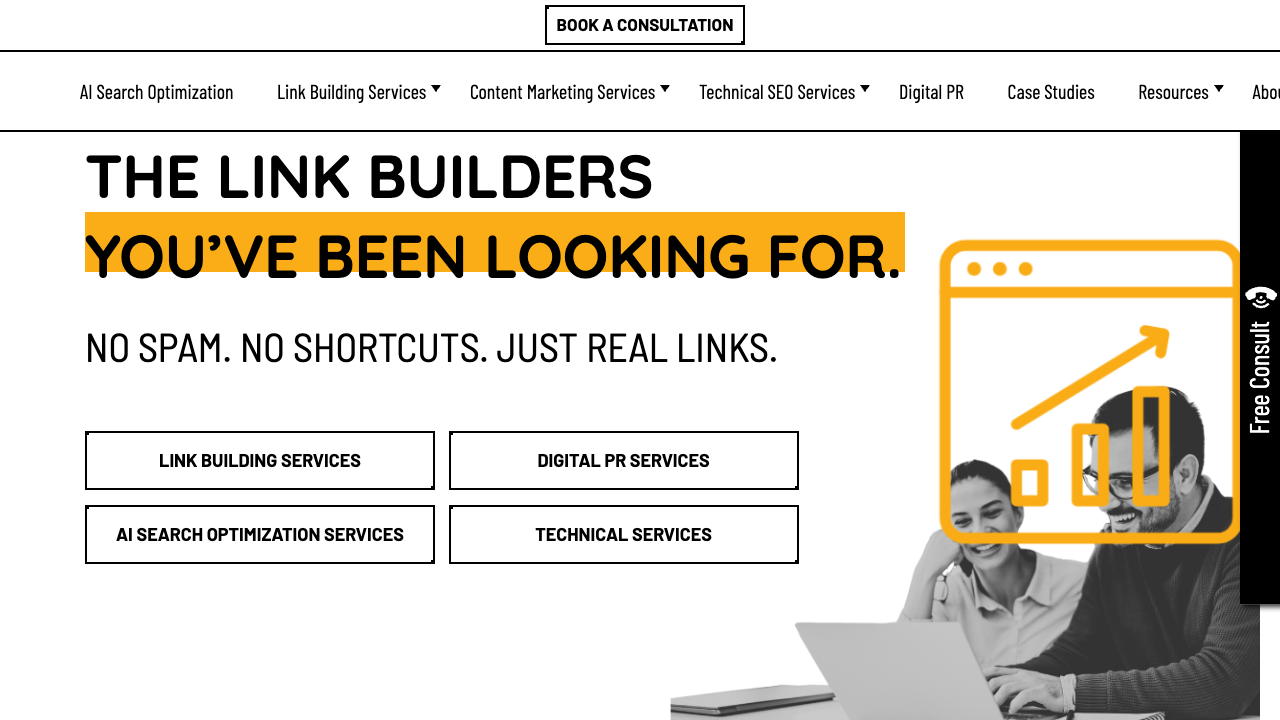
3. Page One Power for a custom outreach program
Page One Power's public site highlights custom link building, content marketing, and SEO services. Consider that type of service when an off-the-shelf package would force unrelated pages, generic topics, or a reporting cadence that does not match your internal review process.
Custom does not automatically mean controlled. Ask for the intake questions used to understand your pages and audiences, the rule for rejecting an irrelevant prospect, the person who can approve a new direction, and the format of the live-placement report. The answer should reveal whether the provider is adapting a real process to your site or only renaming a standard package.
4. Editorial.Link for placement-level review questions
Editorial.Link's public site emphasizes editorial placements, pre-approved sites, and reporting. That makes the public offer a useful prompt for buyers who need to ask detailed questions about publication quality, approval gates, and the exact evidence included after delivery.
Keep the request specific. Ask which fields define a suitable publication, what happens when a target page changes after approval, how link attributes are recorded, and how the provider distinguishes a placement from a meaningful referral opportunity. If the answers cannot be documented in a campaign brief, the apparent control may be hard to audit later.
Turn the shortlist into a reviewable scorecard
Do not collapse every decision into a single vendor score. Keep one row per proposed campaign and attach the evidence that justified it. A practical scorecard has columns for target-page fit, publisher relevance, editorial ownership, approval status, disclosure, live URL, reporting date, and a named person responsible for rechecking the link.

The scorecard is valuable because it captures a decision trail. If a placement disappears, a page changes, or a campaign underperforms, your team can inspect the original rationale instead of reconstructing it from an invoice or an isolated metric.
A pre-signing checklist for link building services
- Write the target pages, business context, and topic boundaries before reviewing a provider's pitch.
- Ask for one representative placement journey, including prospect qualification, approval, and the final report.
- Confirm whether editorial, paid, sponsored, or partner placements are disclosed and how they are recorded.
- Agree on who can approve prospects, anchors, content assets, substitutions, and changes in scope.
- Require a report that identifies live URLs, relevant context, delivery dates, and any placement that was replaced or removed.
- Define a review date for link persistence, referral relevance, and the target page's next on-site improvement.
- Keep the campaign evidence separate from outcome claims so the team can make a fair renewal decision later.
The bottom line
The right link building service is not the one with the loudest promise. It is the one that can make its qualification rules, editorial controls, and reporting evidence easy for your team to inspect. Use a public-page shortlist to start the conversation, then let real campaign evidence determine whether a provider earns a longer engagement.