

The best SEO blogs are the ones that improve a decision your team actually has to make. A good reading list should help you spot search changes, understand technical constraints, choose page types, improve content quality, and turn an idea into shipped work.
The Ahrefs roundup that surfaced this opportunity proves the search intent is a real list. Searvora's information gain is the operator layer: compare sources by the job they help with, then connect the lesson to an SEO action queue instead of collecting bookmarks.
Compare SEO Blogs By The Job They Help With
Do not choose an SEO blog only because it is famous. Choose it because it gives your team a signal you can use.
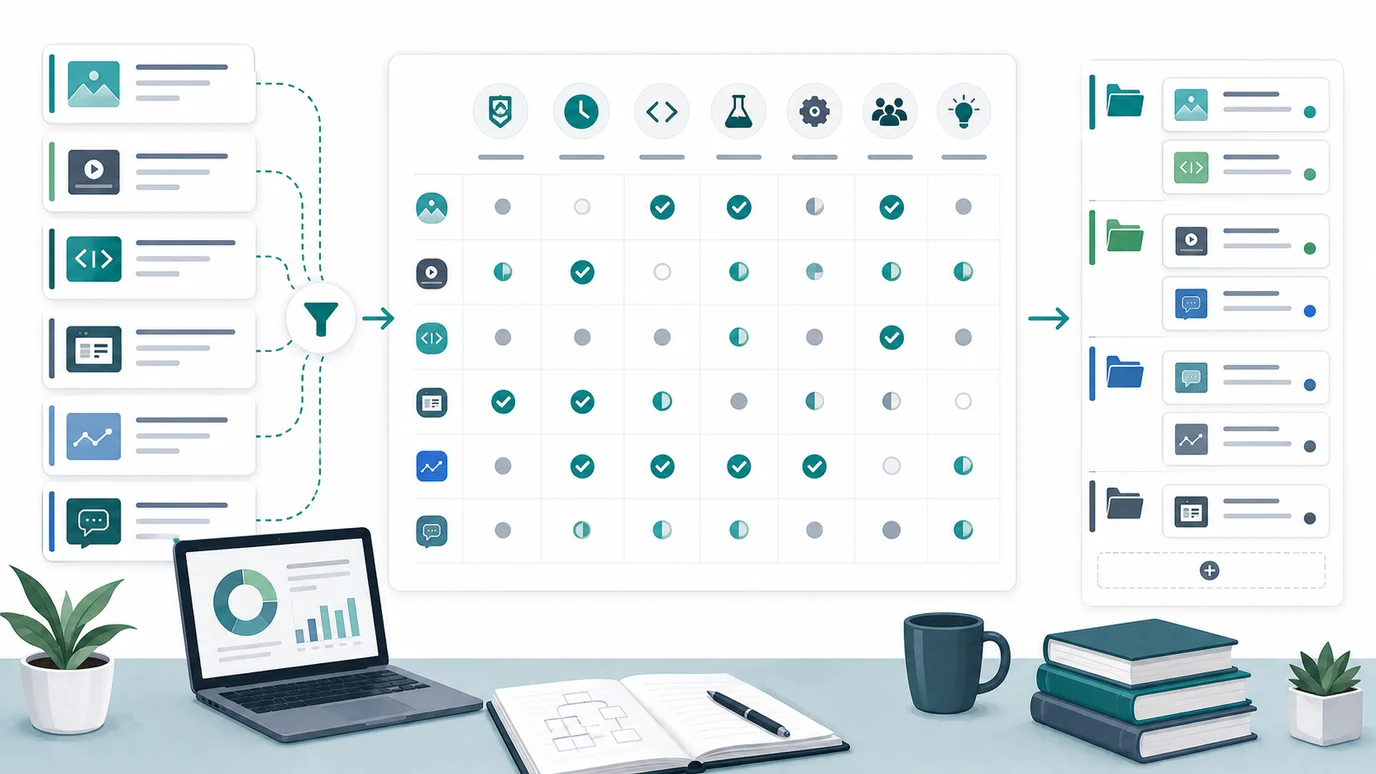
| SEO blog | Best fit | What to do after reading |
|---|---|---|
| Google Search Central Blog | Official search guidance, algorithm updates, Search Console changes, structured data, crawling, and policy shifts | Translate announcements into QA checks for crawl access, schema, snippets, and affected page groups |
| Search Engine Land | Search news, platform changes, PPC/SEO overlap, and industry context | Decide whether a change needs monitoring, a stakeholder note, or a workflow update |
| Search Engine Roundtable | Fast search volatility, ranking chatter, and SERP-change awareness | Treat it as an alert source, then validate with your own data before acting |
| Ahrefs Blog | SEO tutorials, research, competitor workflows, and tactical content strategy | Convert methods into page-type decisions, internal links, and content briefs |
| Moz Blog | Learning resources, local SEO, reporting, AI-and-SEO commentary, and evergreen education | Use it to strengthen frameworks, then test the advice against your own site constraints |
| Backlinko Blog | Practical guides, link/content tactics, and beginner-friendly execution advice | Pull checklists into a queue, then validate with crawl, Search Console, or dashboard evidence |
Best SEO Blogs Shortlist
This is not a universal ranking. It is a practical shortlist for SEO teams that need official guidance, news context, tactical instruction, and workflow ideas they can validate.
1. Google Search Central Blog
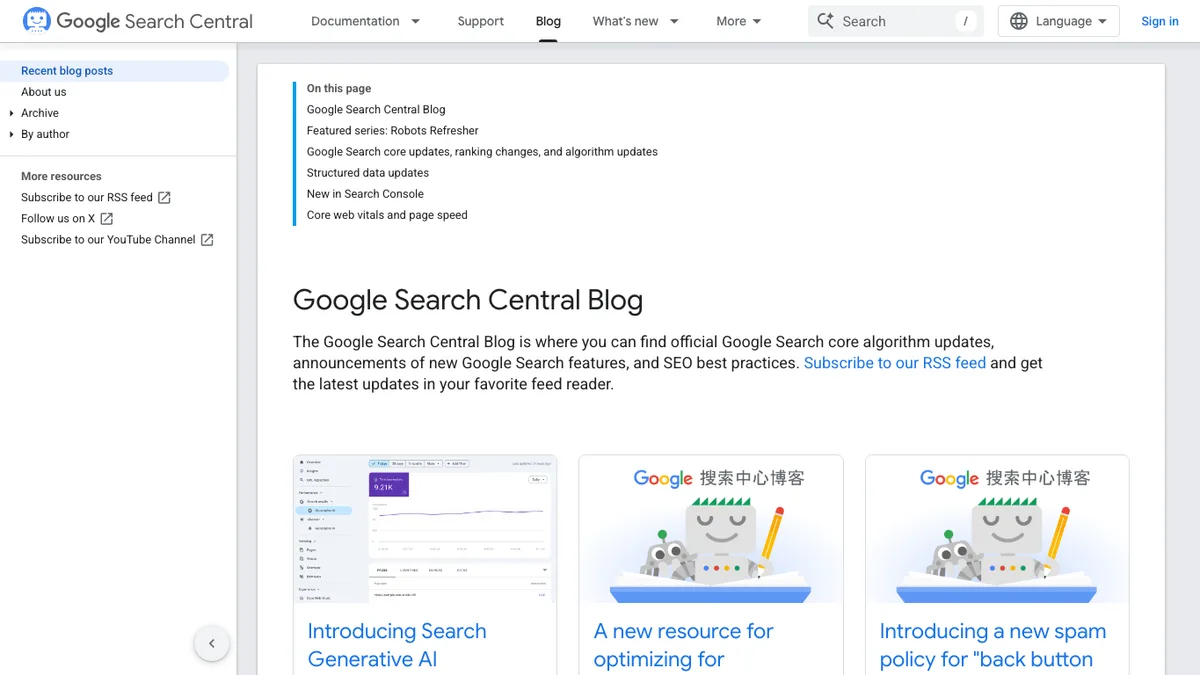
The official Google Search Central Blog should be on every SEO team's source list because it is where Google publishes search documentation updates, feature announcements, ranking-system context, structured-data notes, and Search Console news.
Use it when the question is "what changed in Google's own guidance?" It is not always a step-by-step playbook, and it should not be treated as a ranking recipe. Its value is authority. When Google clarifies crawling, structured data, spam policy, snippets, or Search Console behavior, the next job is to turn that update into a QA checklist for your own URLs.
Best workflow fit: official guidance, policy changes, structured data, indexing, snippets, and Search Console updates.
2. Search Engine Land
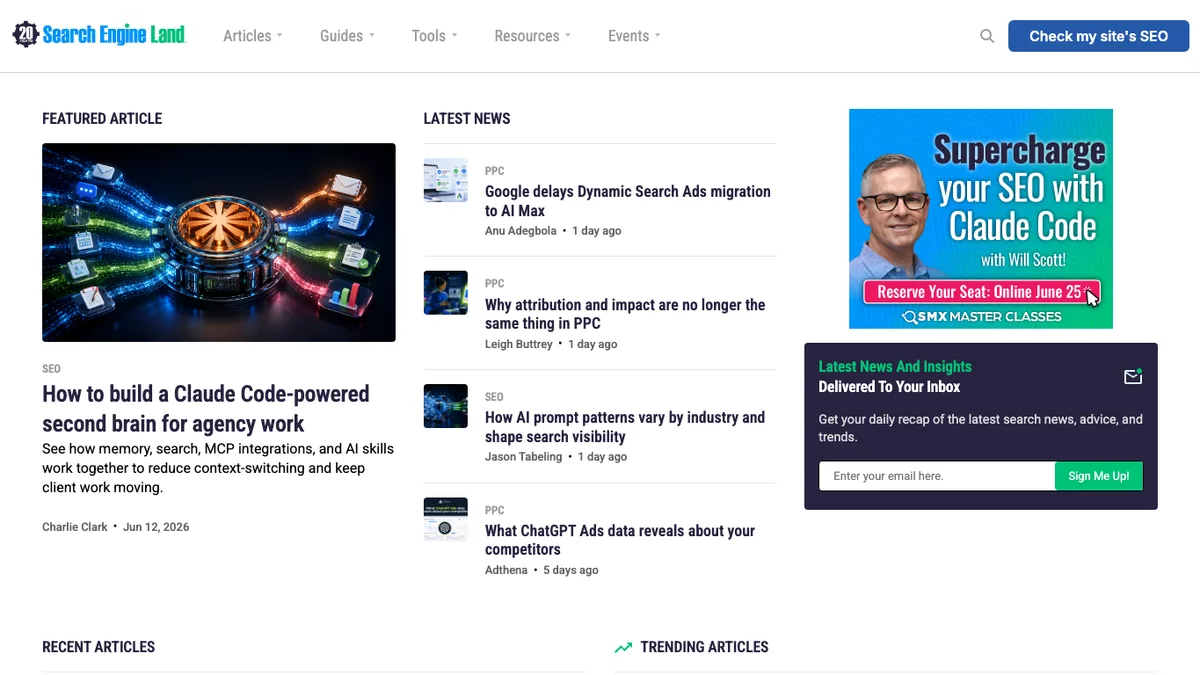
Search Engine Land is useful when your team needs search industry context quickly. It covers SEO, PPC, AI search, platform changes, agency workflows, and search marketing news in a way that helps operators understand what changed outside their own dashboards.
Use it for context, not blind action. A Search Engine Land article can tell you that a platform policy, AI-search behavior, ad migration, or search feature is getting attention. Your team still needs to decide whether your audience, page types, traffic segments, and owners are affected.
Best workflow fit: search news, stakeholder updates, cross-channel context, and early signals that deserve monitoring.
3. Search Engine Roundtable
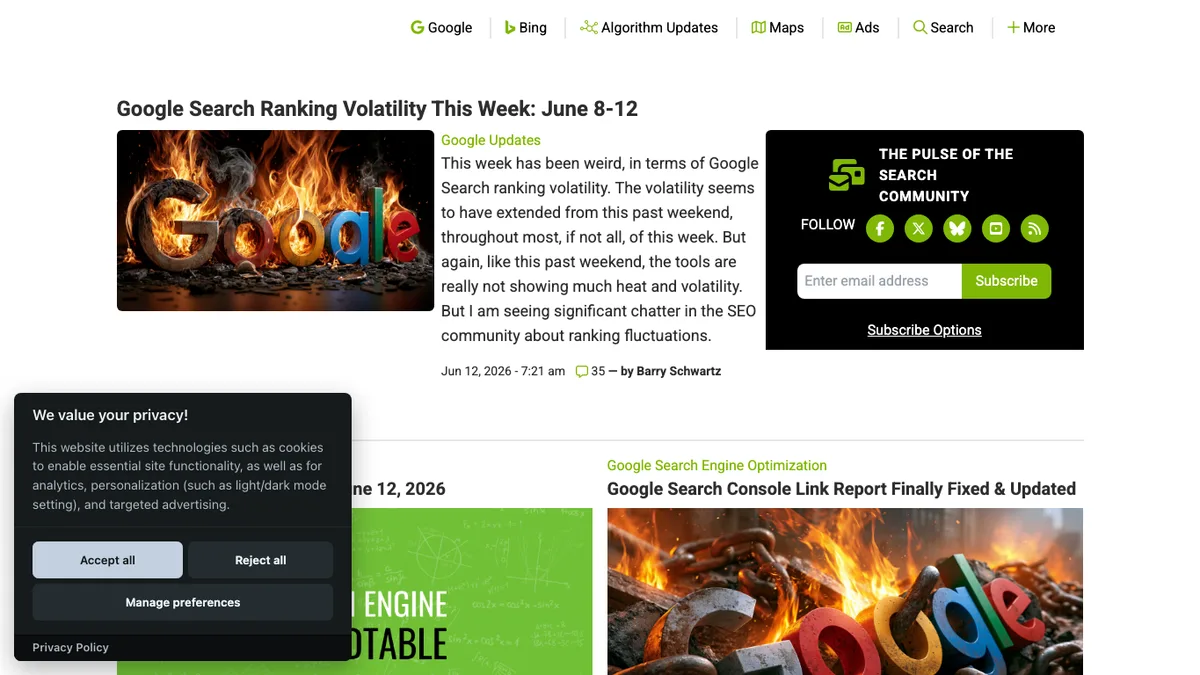
Search Engine Roundtable is strongest as a fast alert source. It tracks ranking volatility, Google updates, Search Console issues, community chatter, and smaller SERP observations that may not become polished evergreen guides.
That speed is useful, but it creates a rule: never ship a fix from chatter alone. Use the source to decide what to check. Then validate with your own rankings, Search Console data, crawl health, affected templates, and page groups before changing titles, pruning content, or rewriting a roadmap.
Best workflow fit: volatility awareness, ranking-update monitoring, and "should we investigate this?" triage.
4. Ahrefs Blog
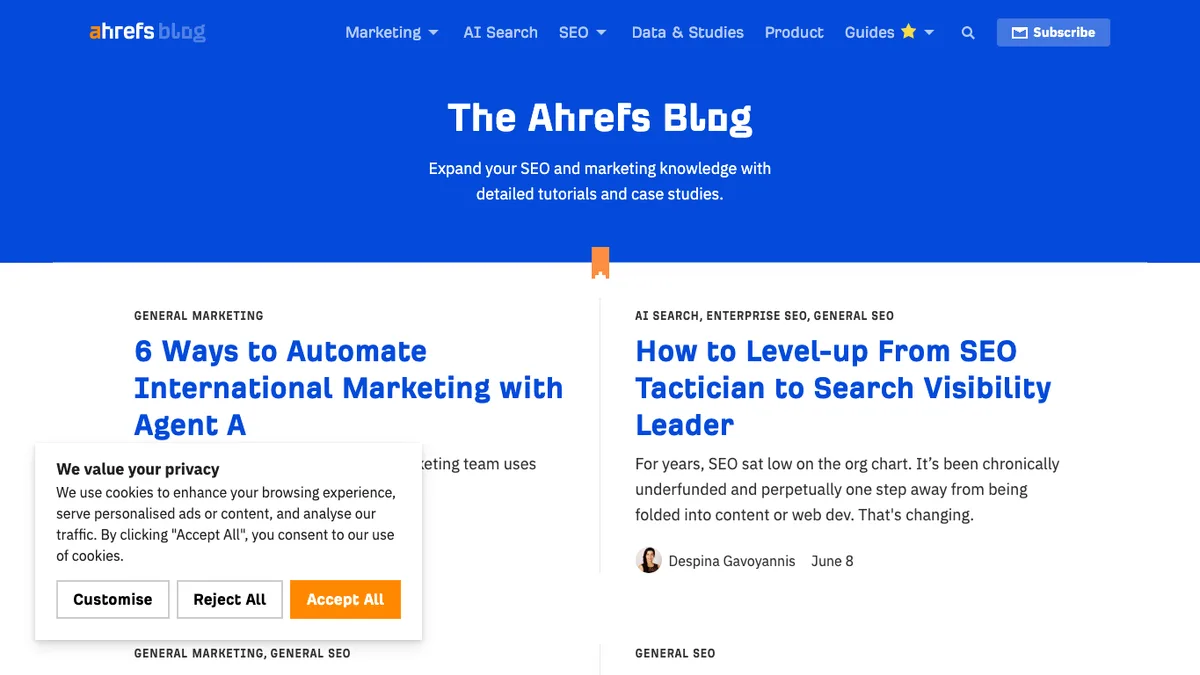
The public Ahrefs Blog is useful for tactical SEO education, research-led posts, competitor workflows, link building, keyword research, and content strategy. It is also a strong example of how a software company can use educational content to own broad SEO authority.
Use Ahrefs when you need a method, example, or research prompt. Then translate it into your own page-type decision. A competitor content gap does not automatically mean "write the same article." It might mean update an existing page, build a hub, create a template, or turn the idea into a product workflow.
Best workflow fit: tactical SEO methods, competitor research, keyword/content strategy, and article-shape discovery.
5. Moz Blog
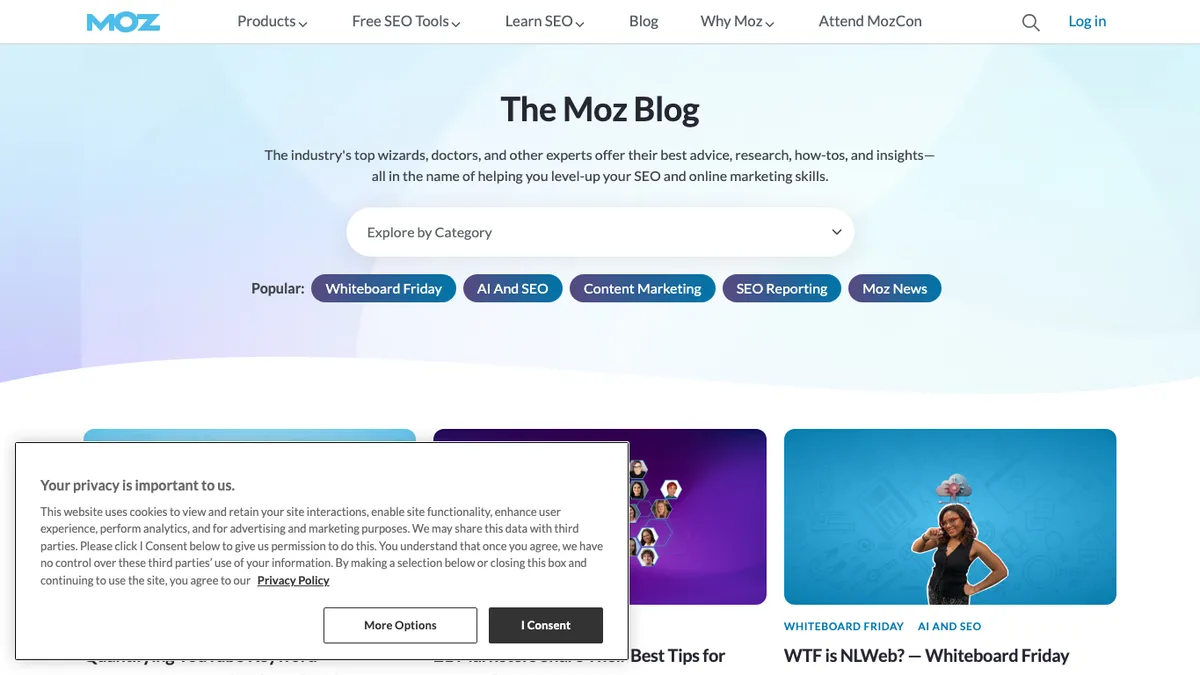
The public Moz Blog remains useful for learning, local SEO, reporting, AI-and-SEO commentary, and practical frameworks. It is often strongest when a team needs a clear explanation before deciding how deep to go.
Use it when a topic is still fuzzy for stakeholders. Moz-style educational framing can help align a team around language, concepts, and priorities. The follow-up should be local: check whether the framework applies to your site architecture, market, page inventory, and internal owners.
Best workflow fit: SEO education, stakeholder alignment, local SEO, reporting concepts, and framework building.
6. Backlinko Blog
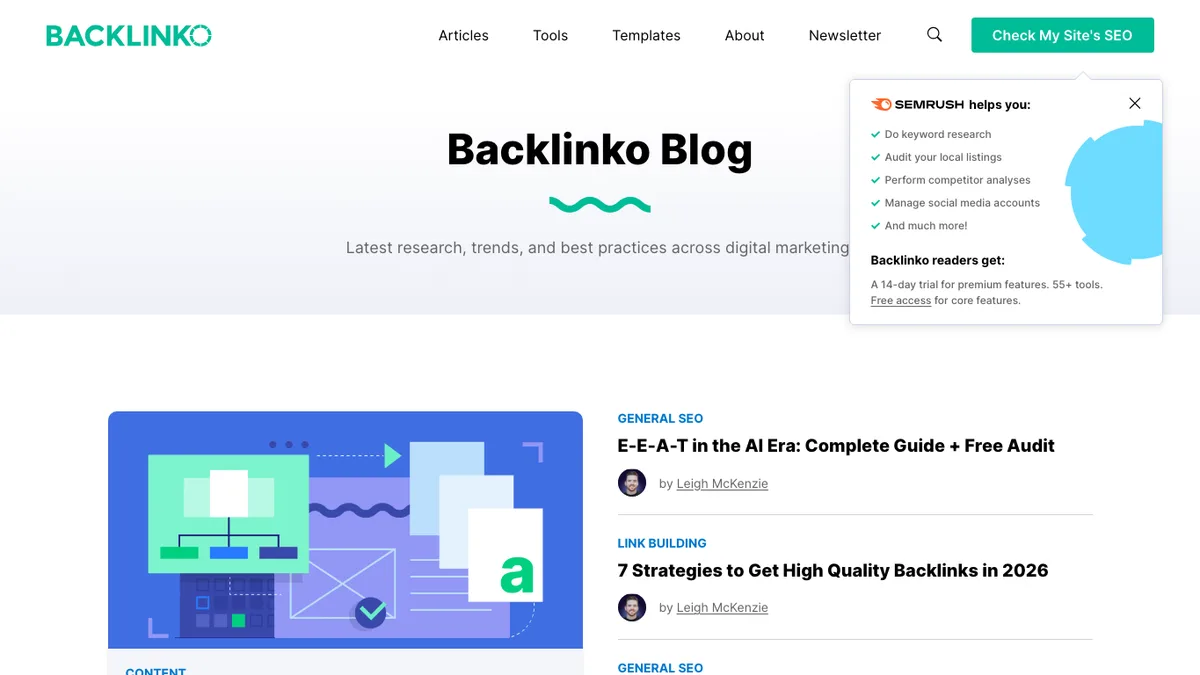
The public Backlinko Blog is useful for practical SEO, content, and link-focused guides that are easy for operators and founders to scan. It can help a team turn a broad topic into a checklist.
The risk is checklist overload. A clear tactic is not the same as a priority. Use Backlinko-style guides to collect possible actions, then score each one by page value, search demand, implementation effort, crawl/indexability risk, and measurement path.
Best workflow fit: practical checklists, content promotion, link earning, beginner-friendly execution, and quick briefing.
Build A Reading Stack Instead Of A Bookmark List
The best SEO blogs work together when each source has a job.
| Source role | Best source type | How often to review | Output |
|---|---|---|---|
| Official guidance | Google Search Central Blog | Weekly or when updates land | QA checklist and policy notes |
| Search news | Search Engine Land | Weekly | Watchlist and stakeholder summary |
| Volatility alerts | Search Engine Roundtable | During movement windows | Investigation prompt |
| Tactical playbooks | Ahrefs, Moz, Backlinko | During planning or sprint prep | Brief, checklist, or decision table |
| Internal execution | Your own crawl, Search Console, dashboard, and content data | Weekly | Prioritized action queue |
If a source cannot be mapped to one of those outputs, it probably belongs in a casual reading folder rather than the team's operating cadence.
Turn Reading Into SEO Work
Good SEO teams do not forward articles and hope action happens. They turn useful reading into a repeatable decision loop.
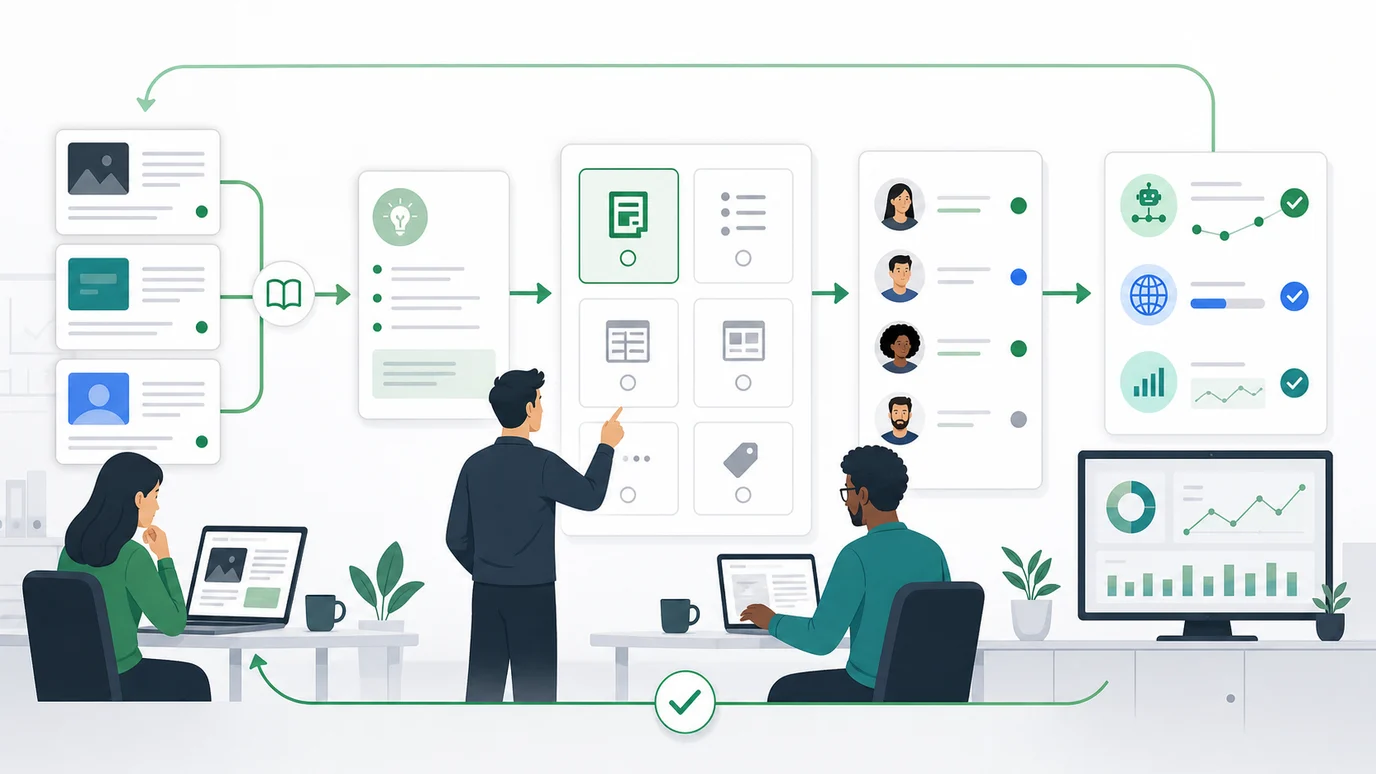
Use this workflow:
- Save the source with the URL, date, and the claim or tactic that matters.
- Classify the job: guidance update, monitoring signal, content idea, technical check, or stakeholder context.
- Check whether Searvora already has a page, tool, or workflow covering the same user task.
- Decide the page action: create, update, merge, link, monitor, or ignore.
- Add evidence from crawl data, Search Console, AI visibility checks, or product context.
- Assign one owner and one validation check.
This is where SEO competitor analysis and search intent in SEO keep reading from turning into duplicate content. A strong source can still point to the wrong page type.
Where Searvora Fits
Use the AI SEO consultant when a reading list needs to become ranked SEO work. The consultant layer is built around pattern diagnosis, impact-effort scoring, fix-ready guidance, and owner-ready handoff. That is the missing step between "this article is interesting" and "this task should ship this week."
The best SEO blogs are not a replacement for your own evidence. They are inputs. Google gives authority. News sites give context. Roundtable-style coverage gives alerts. Tactical blogs give playbooks. Your job is to decide which ideas deserve crawl validation, content updates, internal links, AI-search monitoring, or no action at all.
Start with a small stack, assign each source a job, and measure whether reading improves the next decision. If it does, keep it. If it does not, remove it from the workflow.