

If you are asking what are backlinks, the short answer is simple: backlinks are links from one website to another. In SEO, they matter because they can help search engines discover pages, understand relationships between sites, and evaluate whether a page has earned useful references from the web.
That does not mean every backlink deserves action. A strong backlink can support discovery, authority, referral traffic, and credibility. A weak backlink may be harmless noise. A risky backlink may need review only when there is evidence of manipulation, manual action risk, or a pattern your team created.
The Ahrefs backlinks explainer on this topic answers the beginner definition well. The practical question is the operating layer after the definition: which backlink signals deserve attention, which should be ignored, and how to turn the evidence into safer SEO work.
What A Backlink Actually Signals
A backlink is not just a count in a tool. It is a connection between a source page, a target page, an anchor, and a reader task. The useful question is not "how many backlinks do we have?" It is "which links help people and search systems understand why this page deserves to be found?"
Use this table before acting on backlink data:
| Backlink signal | What it can indicate | Better first question |
|---|---|---|
| Source relevance | The linking page covers the same topic or adjacent job | Would that page's reader reasonably need your page? |
| Source quality | The page is maintained, indexed, useful, and not just a link list | Is the source page valuable even without its metric? |
| Anchor context | The link sits in a sentence that explains the destination | Does the anchor describe the page naturally? |
| Target fit | The linked page is worth citing or visiting | Is the target asset strong enough to deserve references? |
| Discovery value | Search engines and users can follow the link | Is the link crawlable and placed in useful page content? |
| Risk pattern | The link came from paid, automated, exchange-heavy, or spammy behavior | Did we create or control this pattern? |
Google's link best practices are a useful baseline for the technical side: links should be crawlable and anchor text should help people understand the destination. For SEO operators, the same idea becomes a quality rule. A backlink should make the source page more useful, not just make a dashboard number larger.
Classify Three Links to the Same Page
Consider a synthetic page at https://example.com/research/repair-lab. These links are invented examples, not a measured backlink campaign.
| Source and placement | What the reviewer can reproduce | Decision |
|---|---|---|
| A technical guide cites the lab beside its reproduction instructions | Open the source, find the anchor, follow it, and run the example | Record the citation and maintain the destination |
| An automated archive repeats the title in unrelated listings | Sample source pages and confirm your team did not buy or create the placements | Record background noise; the count alone does not justify removal |
| A vendor sells a placement with a commercial anchor | Review the contract, link attributes, and proposed context | Reject a proposal that passes ranking credit in exchange for payment |
All three rows can increase a backlink count, but they call for different actions. A link can also be useful referral advertising. Google's outbound link guidance recommends sponsored for paid placements; nofollow remains acceptable. Attributes qualify a relationship, rather than certify the target's quality.
Save the source URL, observed anchor, destination response, relationship, and review date so another reviewer can repeat the check. For an example of an asset someone could reproduce before citing, inspect the synthetic indexing repair lab.
Separate Useful Links From Noise
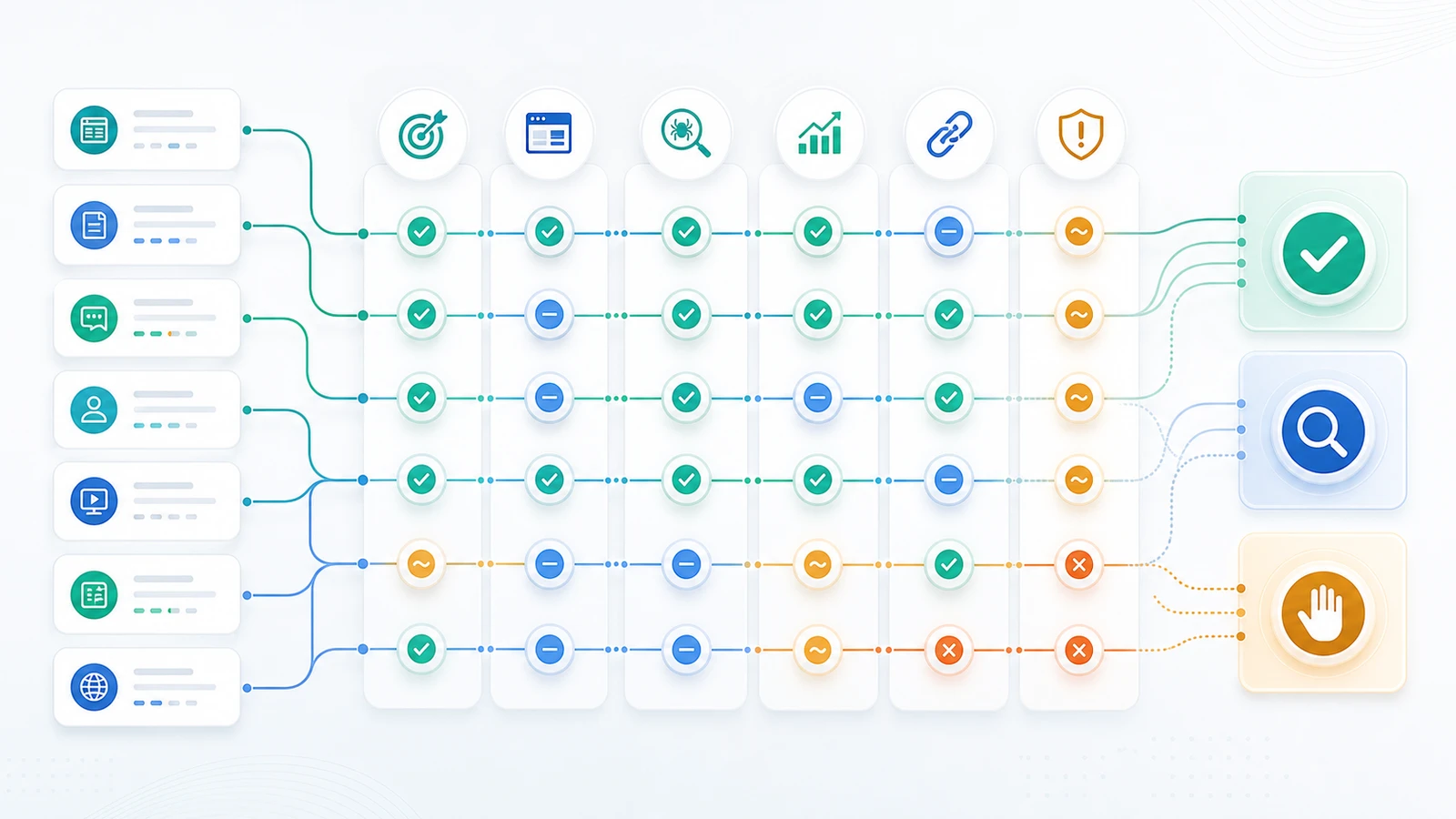
Most websites collect strange backlinks over time. Scrapers, low-quality directories, copied pages, and automated pages may link to a site without the team doing anything. That background noise is not the same as a useful citation, and it is not automatically a crisis.
Use three buckets:
| Bucket | What it means | Next action |
|---|---|---|
| Useful backlink | Relevant source, clear context, natural anchor, and a target page worth citing | Track it, learn from why it was earned, and support the target page internally |
| Background noise | Random weak links with no clear campaign, pattern, or manual action risk | Monitor only if the pattern changes |
| Review candidate | Repeated unnatural anchors, paid placements, exchange patterns, hacked pages, or vendor-created links | Sample examples, document evidence, and decide whether cleanup or disavow review is justified |
This is where broad backlink advice often becomes too simple. "Get more backlinks" ignores asset quality. "Ignore all toxic links" ignores real patterns. "Disavow everything suspicious" creates another risk. The operator job is to classify the evidence before choosing a tactic.
If the team is planning to earn more references, step into the link building for SEO workflow after this classification. If the team found lost valuable references, the link reclamation workflow is the narrower recovery path. If the team is worried about harmful patterns, use the toxic backlinks triage workflow before taking aggressive action.
Decide Whether A Backlink Deserves Work
Backlink work should compete for priority like any other SEO task. A link opportunity is not automatically more important than fixing broken canonicals, rewriting a weak page, improving internal links, or shipping a better asset.
Use this decision matrix:
| Scenario | Better action | Why |
|---|---|---|
| Strong source already links to an outdated asset | Refresh the asset and strengthen internal links | The citation is real, but the destination needs to stay useful |
| Valuable mention exists without a link | Consider polite mention-to-link outreach | The source already recognizes the brand or asset |
| Prospect page would genuinely improve with your resource | Qualify for outreach | The link has editorial logic |
| Backlink points through a redirect chain or broken URL | Fix the technical path first | Outreach is wasteful if your own routing leaks value |
| Strange domains link to random pages | Monitor unless a pattern emerges | Noise is common and usually not worth action |
| Paid, automated, or exact-match anchor patterns target money pages | Escalate to risk review | The pattern may violate search spam policies |
Google's spam policies are the safety boundary. Links intended to manipulate rankings can create risk, especially when they involve paid placements that pass ranking credit, excessive exchanges, automated link creation, or unnatural anchors.
The safe pattern is boring: improve pages worth citing, qualify where the citation would help a reader, keep anchors natural, and document why each action happened.
Turn Backlink Data Into An Action Queue
A backlink export becomes useful only when it produces a short list of decisions. The action queue should explain what happened, why it matters, who owns the next step, and how the team will validate the result.
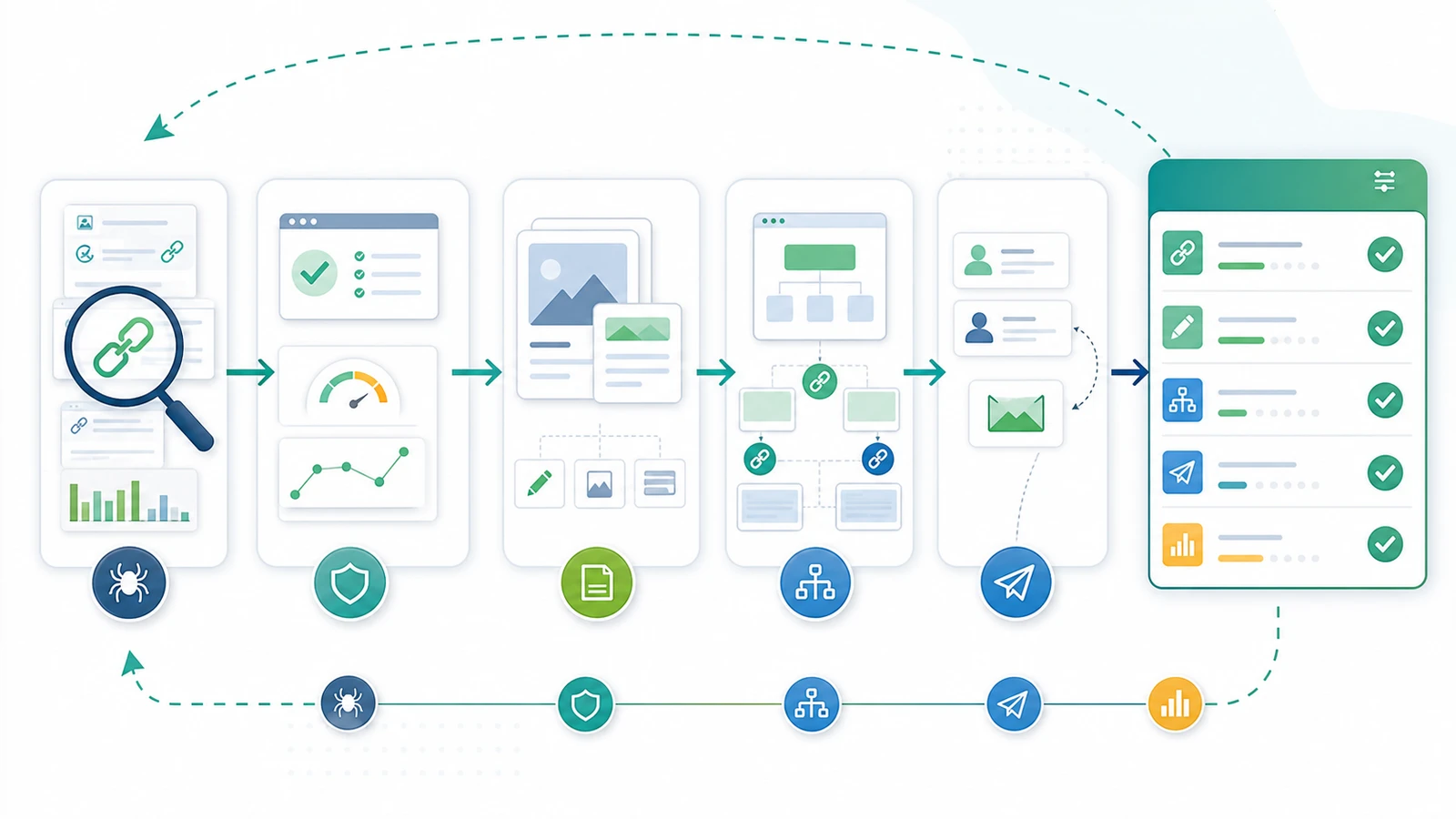
Start with these fields:
| Queue field | What to record |
|---|---|
| Source URL | The page that links, mentions, or could reasonably cite you |
| Target URL | The page on your site that receives or should receive the link |
| Evidence bucket | Useful backlink, background noise, recovery candidate, outreach candidate, or risk review |
| Reader reason | Why the link helps the source page's audience |
| Internal condition | Whether the target page is crawlable, indexable, internally linked, and current |
| Risk flag | Paid, exchange-heavy, unnatural anchor, irrelevant source, hacked page, or unknown |
| Next action | Improve asset, fix redirect, add internal links, outreach, monitor, or risk review |
| Validation | Search Console movement, referral clicks, crawl status, recovered link, or decision note |
This structure keeps backlink work connected to the rest of SEO. A recovered link may need a redirect fix. A new outreach idea may need a better content asset. A risky pattern may need documentation before any disavow review. A useful backlink may reveal the kind of explanation, template, data point, or workflow that other sites actually cite.
Where Searvora Fits
Searvora does not replace backlink indexes, buy links, or decide which publisher should link to you. It fits after evidence exists and the team needs a calm way to turn that evidence into work.
Use Searvora AI SEO Consultant when backlink signals need to become a prioritized action queue:
| Backlink decision | What Searvora helps structure |
|---|---|
| Which links matter | Separate relevant citations, recoverable losses, suspicious patterns, and harmless noise |
| What to fix first | Connect backlink evidence with crawl, indexability, internal link, and content quality issues |
| Which outreach is safe | Keep outreach tied to reader value, asset quality, and natural anchors |
| How to assign work | Convert each approved decision into owner-ready SEO, content, or technical tasks |
The same evidence can also feed crawl and internal-link work. If a valuable backlink points to a redirected, orphaned, canonicalized, or outdated page, the fix may be technical before it is promotional.
Backlink Review Checklist
Use this checklist before acting on a backlink report:
- Define whether the task is learning, recovery, outreach, risk review, or monitoring.
- Sample source pages instead of trusting a score alone.
- Check topical relevance, page quality, anchor context, and target-page fit.
- Separate earned citations from random background spam.
- Confirm whether your team, vendor, acquired site, or campaign created the pattern.
- Check crawlability, redirects, canonicals, internal links, and page freshness before outreach.
- Improve weak target assets before asking anyone to cite them.
- Keep outreach tied to the source page's reader, not your ranking goal.
- Escalate risky paid, automated, exchange-heavy, or exact-match patterns only with evidence.
- Record the decision, owner, validation signal, and next review date.
Backlinks are useful when they point to something worth finding. The safest SEO workflow is to understand the signal, improve the asset, qualify the action, and measure what changed. Raw counts can start the conversation, but evidence should decide the work.