

The best affiliate programs for beginners are not always the programs with the loudest payout claims. A new content site needs programs that match the audience, accept early publishers, provide enough products or brands to write useful pages, and give you a way to validate traffic before you scale the cluster.
The public Ahrefs roundup frames the opportunity around beginner-friendly networks and programs. Searvora's information gain is the operating layer around that choice: judge each program by content-site fit, approval friction, disclosure risk, search-led page plans, and the validation loop after the first affiliate pages go live.
Quick Comparison
Start with the program type before you chase individual offers. A broad marketplace can help a beginner test product-led content quickly. A network can help once the site has clearer audience proof. A B2B program can pay well, but usually needs stronger expertise and more trust.
| Program or network | Best beginner use case | Watch before joining |
|---|---|---|
| Amazon Associates | Product roundups, gift guides, comparison posts, and broad consumer niches | Category-specific commissions, qualifying rules, and thin product pages |
| Awin and ShareASale | Ecommerce brands, creators, niche publishers, and retail content sites | Brand-by-brand approval and merchant quality control |
| CJ Affiliate | Larger publisher workflows with established brands and reporting needs | More operational setup than a simple marketplace link |
| impact.com | Publishers who want brands, creators, referrals, and partnership tracking in one platform | Individual brand approval and partnership management overhead |
| Rakuten Advertising | Retail publishers that want a global advertiser network and reporting | Brand applications, regional availability, and program-specific terms |
| PartnerStack | B2B SaaS content, software reviews, and recurring-revenue partnerships | Requires SaaS audience fit and credible software content |
| Shopify Affiliate Program | Ecommerce education, migration, store-building, and creator content | Strongest only when your audience can realistically become merchants |
| eBay Partner Network | Deal, collector, refurbished, marketplace, or niche product content | Product freshness, item availability, and transparent outbound links |
How To Pick Your First Program
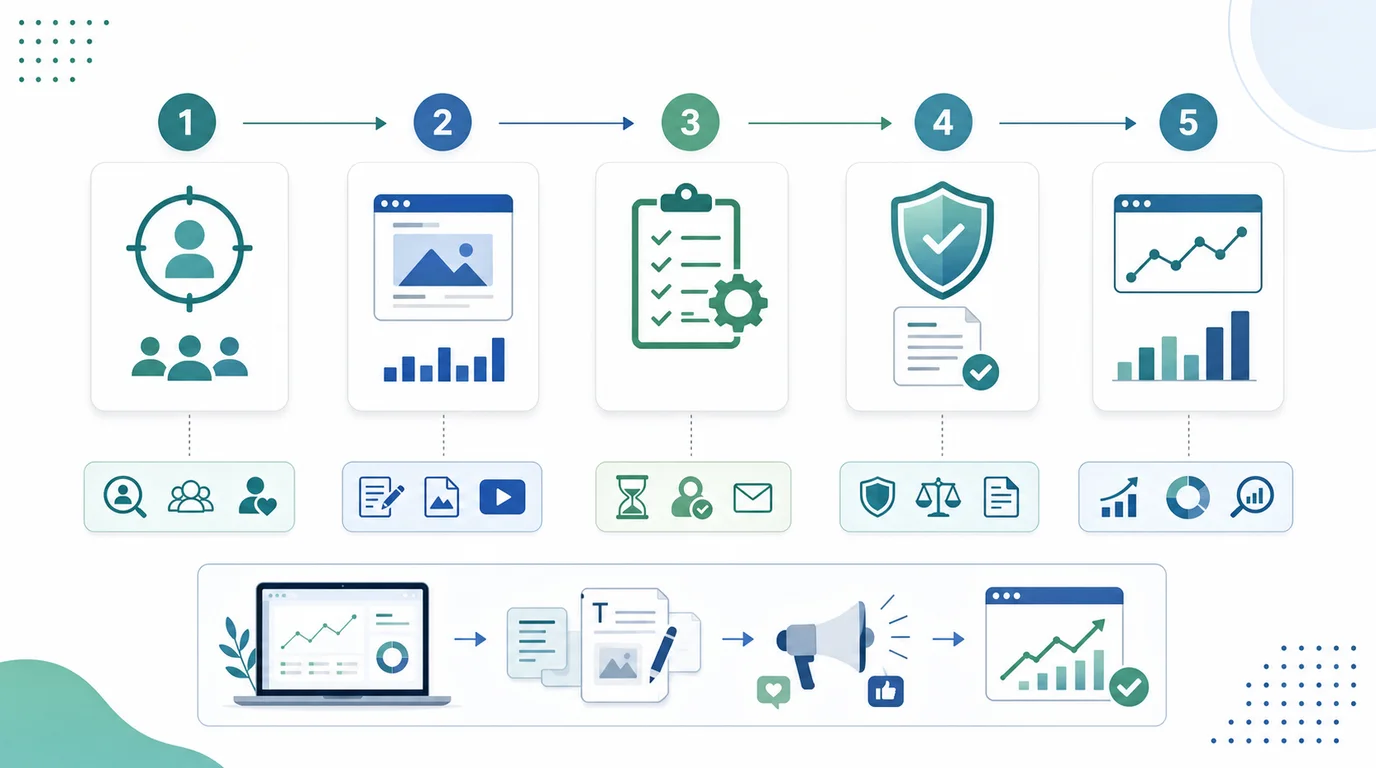
Use this decision path before applying anywhere:
- Define the reader and the purchase job.
- Choose one page type, such as a roundup, review, comparison, tutorial, or buyer checklist.
- Confirm the program has products, brands, or offers that fit that page type.
- Check public terms, disclosure requirements, payout basics, and allowed promotion methods.
- Make sure you can source claims from official pages, documentation, product pages, or your own experience.
- Publish a small cluster first, then validate crawlability, impressions, clicks, and conversion context.
This keeps beginners away from the common trap: joining ten programs and publishing weak pages for all of them. A smaller number of well-matched offers is easier to disclose, update, internally link, and measure.
If you are still choosing page type, the search intent workflow is the safer starting point. If you already know the content cluster, use Affiliate Marketing for Beginners With SEO Guardrails as the broader operating checklist.
1. Amazon Associates
Amazon Associates is often the easiest first test for consumer content sites because it covers a large range of products and gives publishers recognizable shopping destinations. It works best when the site can write useful product comparisons, buying guides, setup lists, or seasonal content without pretending every product is personally tested.
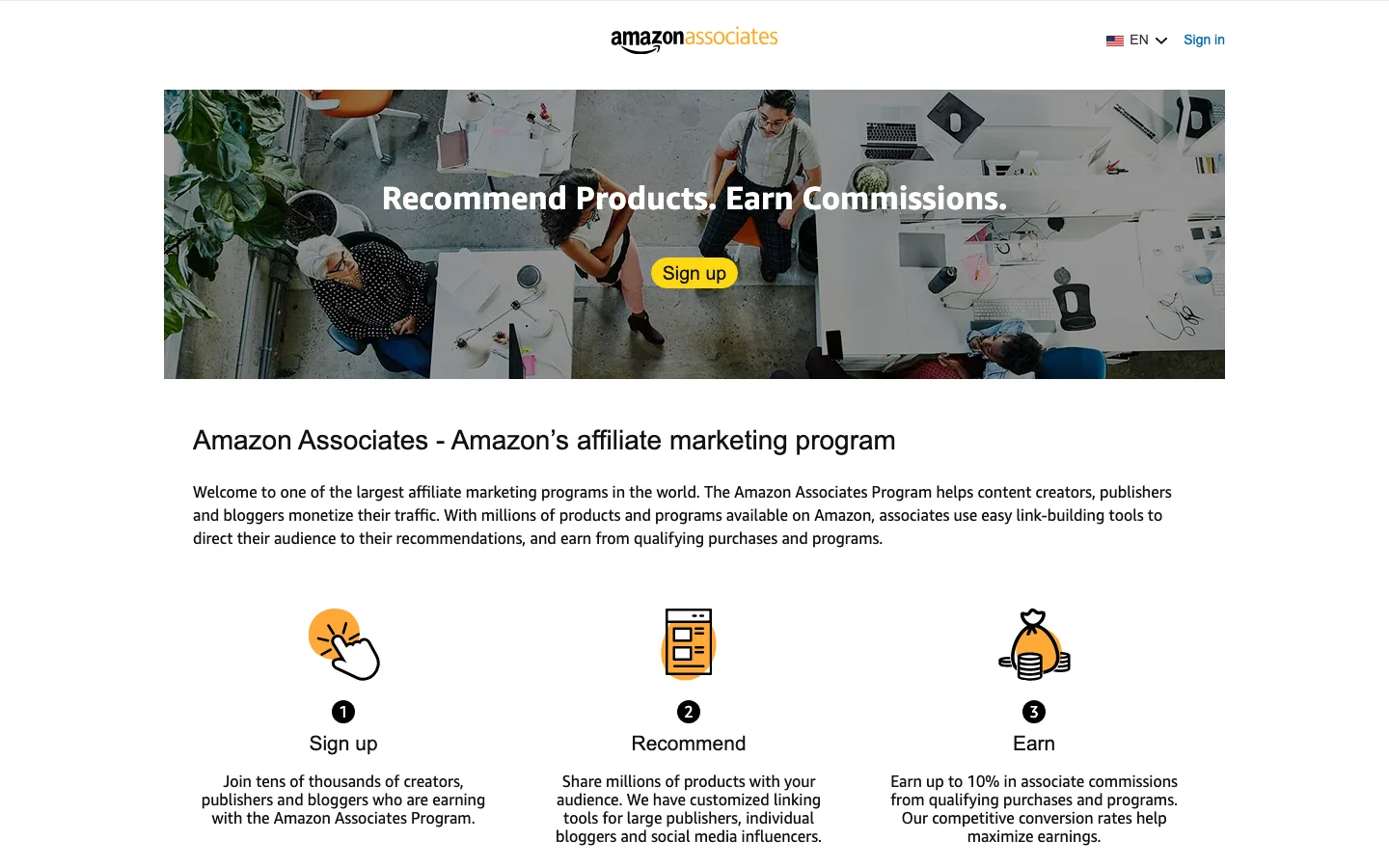
Use it when your early content needs breadth. A beginner site about home office setups, hobby gear, kitchen tools, books, or gifts can publish a small cluster and learn which page types attract search demand.
Be careful with generic product grids. Amazon links do not make a page useful by themselves. The page still needs criteria, tradeoffs, use cases, and update triggers. Read the current Associates operating agreement and commission details before making any payout claim.
2. Awin And ShareASale
Awin is useful for creators and publishers who want access to many ecommerce brands, and ShareASale now routes new discovery into the Awin ecosystem. For beginners, the appeal is category variety: retail, lifestyle, software, travel, finance, and niche ecommerce programs can all live closer to one workflow.
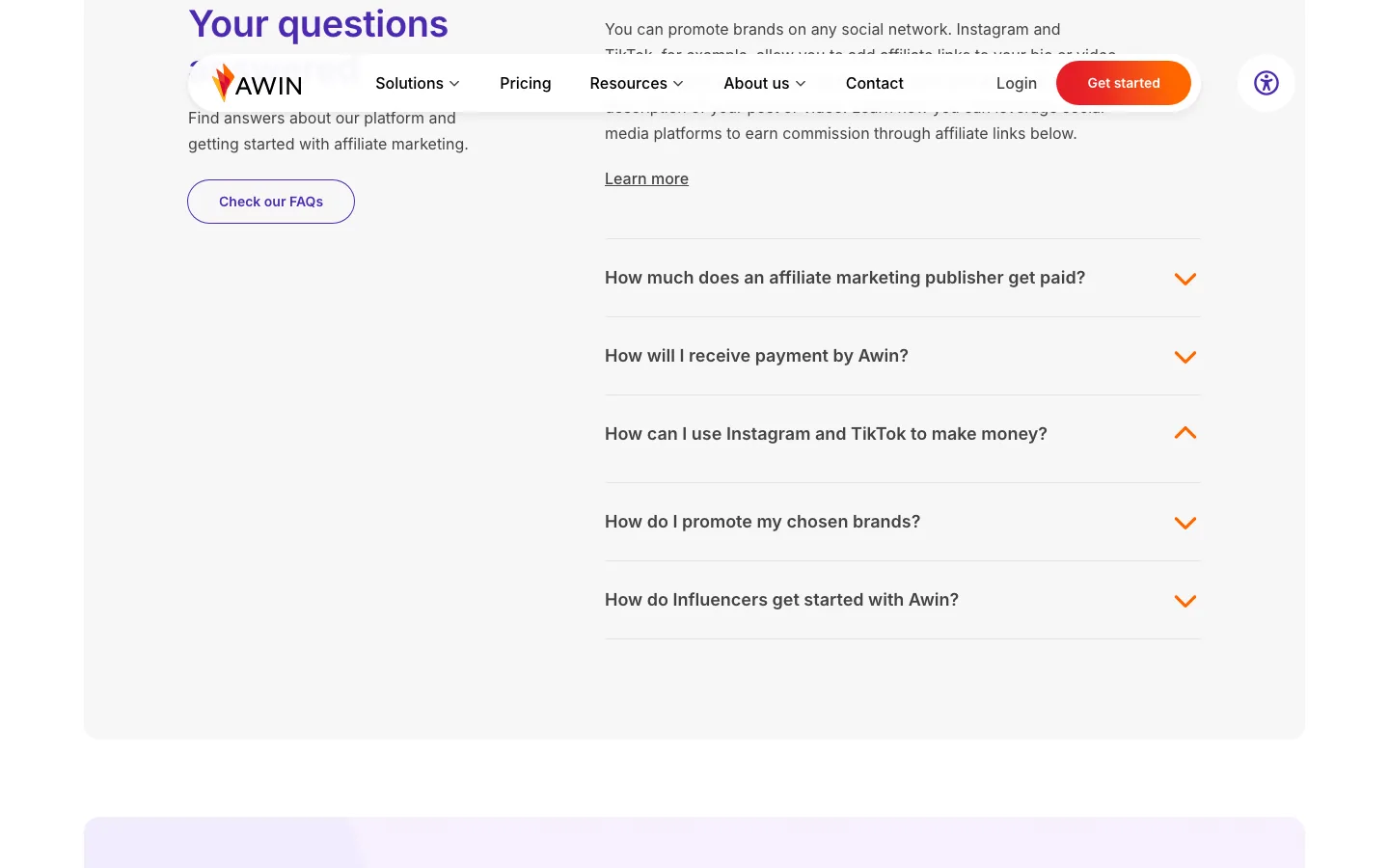
Use it when your site has a niche audience and you want to compare multiple merchants inside that niche. Awin can be a better fit than a single marketplace when the reader expects brand choice, specialty retailers, or direct merchant offers.
The friction is that a network is not one universal approval. You still need to apply to merchants, check each program's rules, and avoid unsupported claims about availability, payout, or brand acceptance. For SEO, this makes Awin strongest when your editorial calendar already maps to a tight niche.
3. CJ Affiliate
CJ Affiliate fits publishers that want access to established brands, reporting, and affiliate relationships that can scale beyond a few simple links. It can still be beginner-friendly if your site has a serious niche and a clear content plan, but it is less casual than joining one marketplace program.

Use CJ when you are building a content property that can support brand comparisons, category guides, or high-intent buyer pages. The stronger your editorial proof, the easier it is to justify merchant applications.
Do not treat CJ as a shortcut around audience fit. The network gives access and reporting, but the publisher still has to create pages that help readers choose. Keep your comparison criteria in searchable text, update merchant claims, and avoid using brand names just to intercept traffic.
4. impact.com
impact.com is broader than a simple affiliate directory. It positions itself around partnerships, affiliates, creators, referrals, and performance tracking. That makes it interesting for beginners who are already thinking beyond one-off product links.
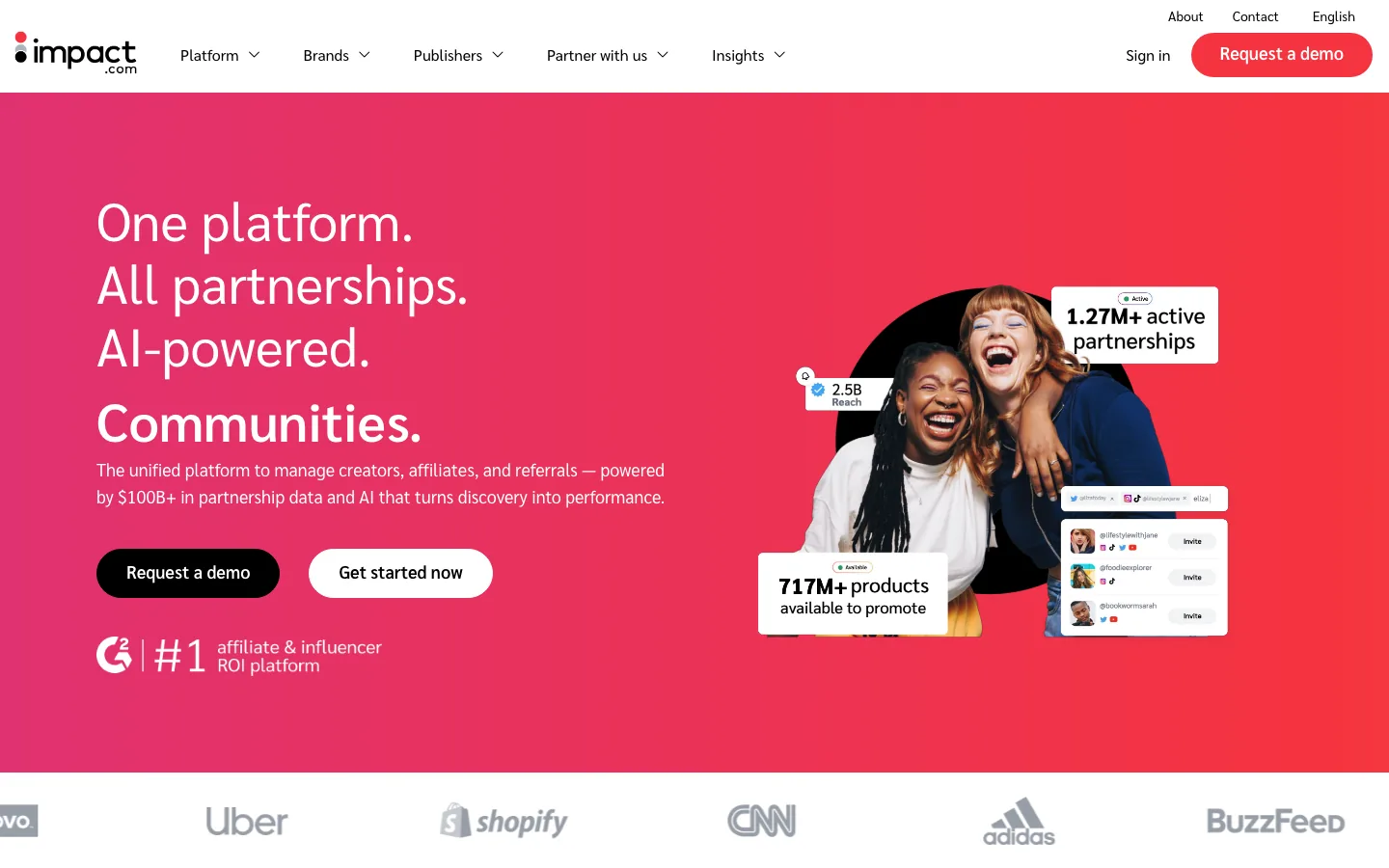
Use it when your site can support partner-style content: software comparisons, ecommerce services, creator tools, subscription products, or brand partnerships where tracking and relationship management matter.
The beginner risk is operational complexity. You may still need brand-by-brand approval, clear promotional methods, and careful tracking. If the site has only a few thin articles, impact.com may be more system than you need at the start.
5. Rakuten Advertising
Rakuten Advertising is another large affiliate network for publishers and brands. It is strongest when your content site fits retail categories and you want access to recognized advertisers, reporting, and publisher support.
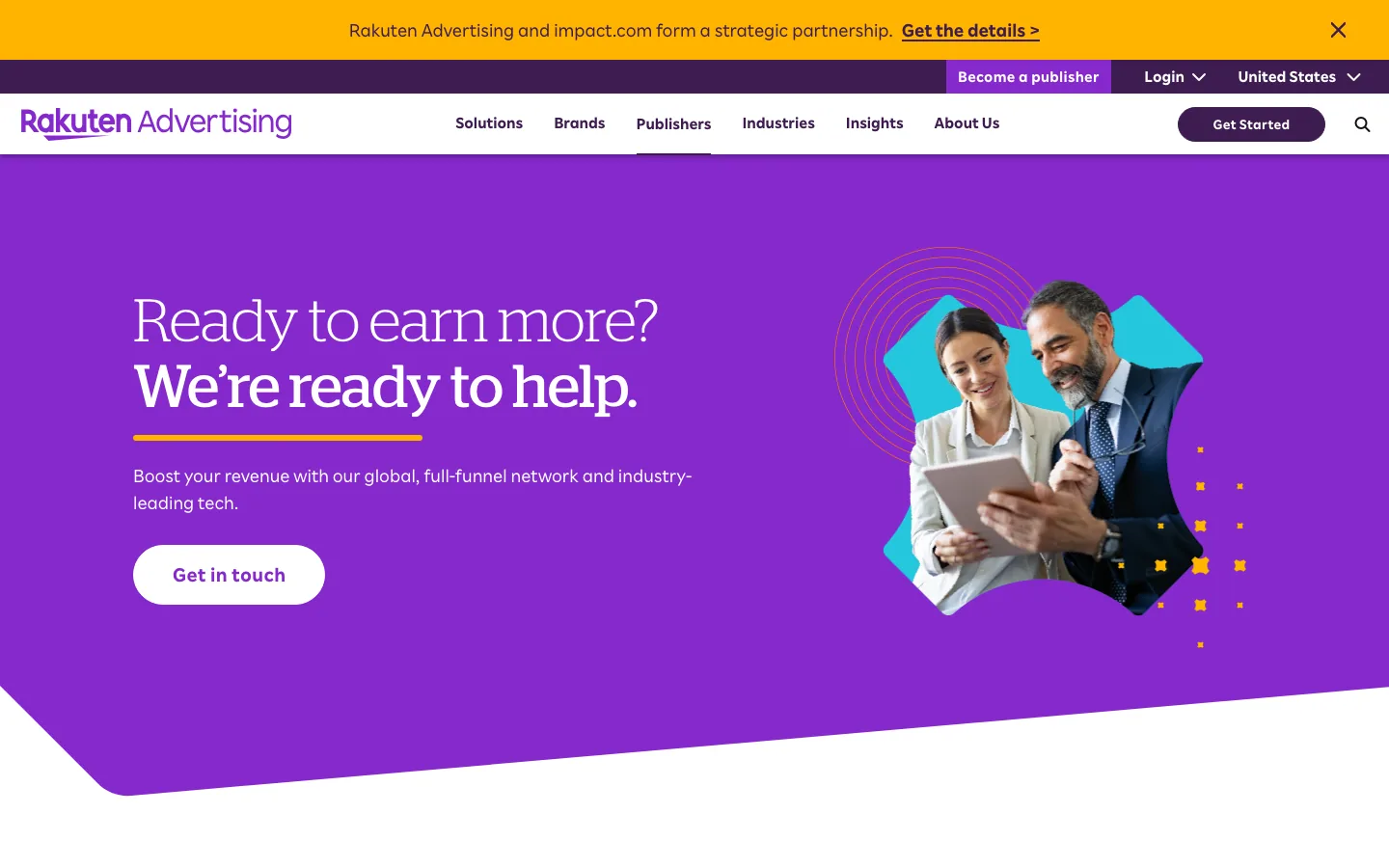
Use it when your niche has retail depth and the reader expects brand choice. It can work for fashion, home, travel, tech accessories, lifestyle, and other shopping-led categories.
As with Awin and CJ, the network does not remove the need for content discipline. Check each advertiser's current program terms, allowed promotion methods, and approval requirements. Then publish around reader jobs, not around the fact that a merchant exists.
6. PartnerStack
PartnerStack is a better fit for B2B SaaS publishers than for general consumer product sites. It is useful when your audience buys software, compares tools, or looks for workflow recommendations.
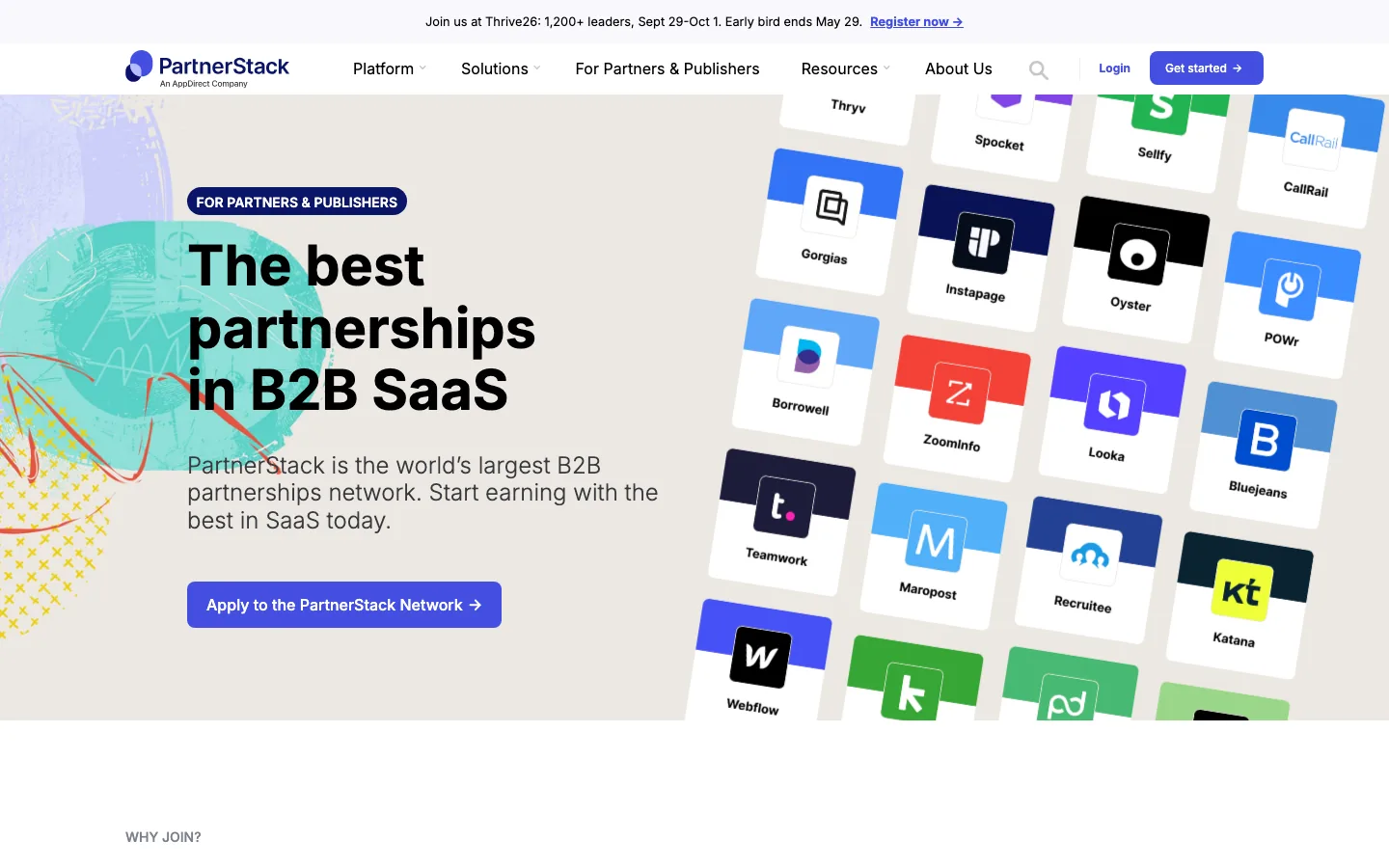
Use it when you can write credible software content: alternatives, tutorials, integration workflows, implementation checklists, or category roundups. Those pages need public-source verification and clear disclaimers if you have not used the products directly.
The upside is recurring or B2B-style partnership potential. The catch is trust. A beginner site should not claim expert software recommendations from screenshots alone. Start with categories you understand, cite official product pages, and separate public facts from opinion.
7. Shopify Affiliate Program
The Shopify Affiliate Program is narrower than a general network, but it can be a strong fit when your audience wants to start, migrate, or grow an ecommerce store. It is especially relevant for content publishers, course makers, commerce experts, and app partners.
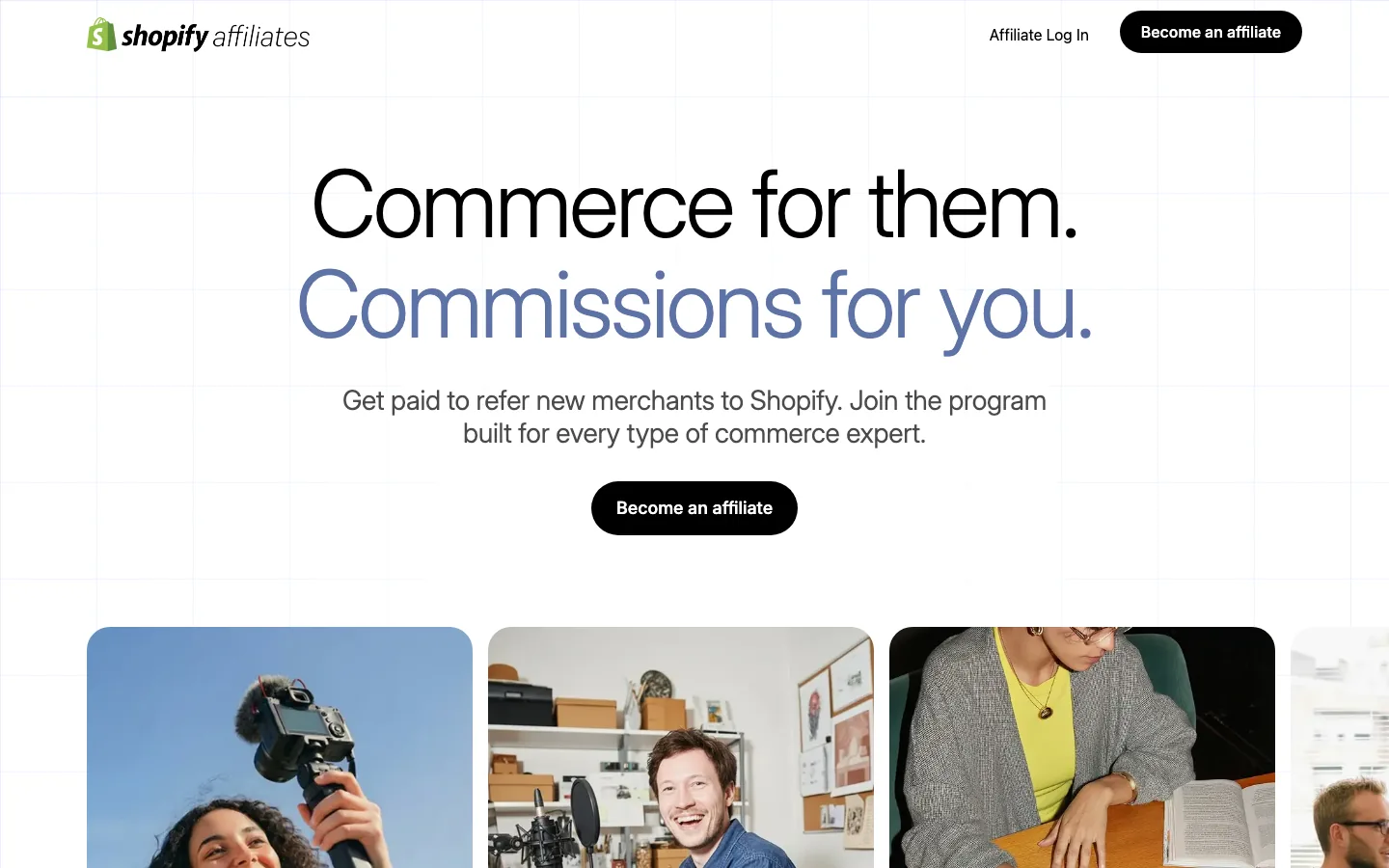
Use it when your content naturally teaches ecommerce decisions: platform comparisons, Shopify setup, store launch checklists, product-page SEO, migration planning, app stack decisions, or ecommerce content workflows.
Do not force Shopify into unrelated niches. If your readers are not likely to become merchants, the program may be misaligned. If they are merchants, the article should help them choose a store-building path, not only push a signup link.
8. eBay Partner Network
eBay Partner Network fits content sites around deals, collectibles, refurbished products, hard-to-find items, parts, hobby categories, and marketplace discovery. It can be useful when your readers want specific products that change often.
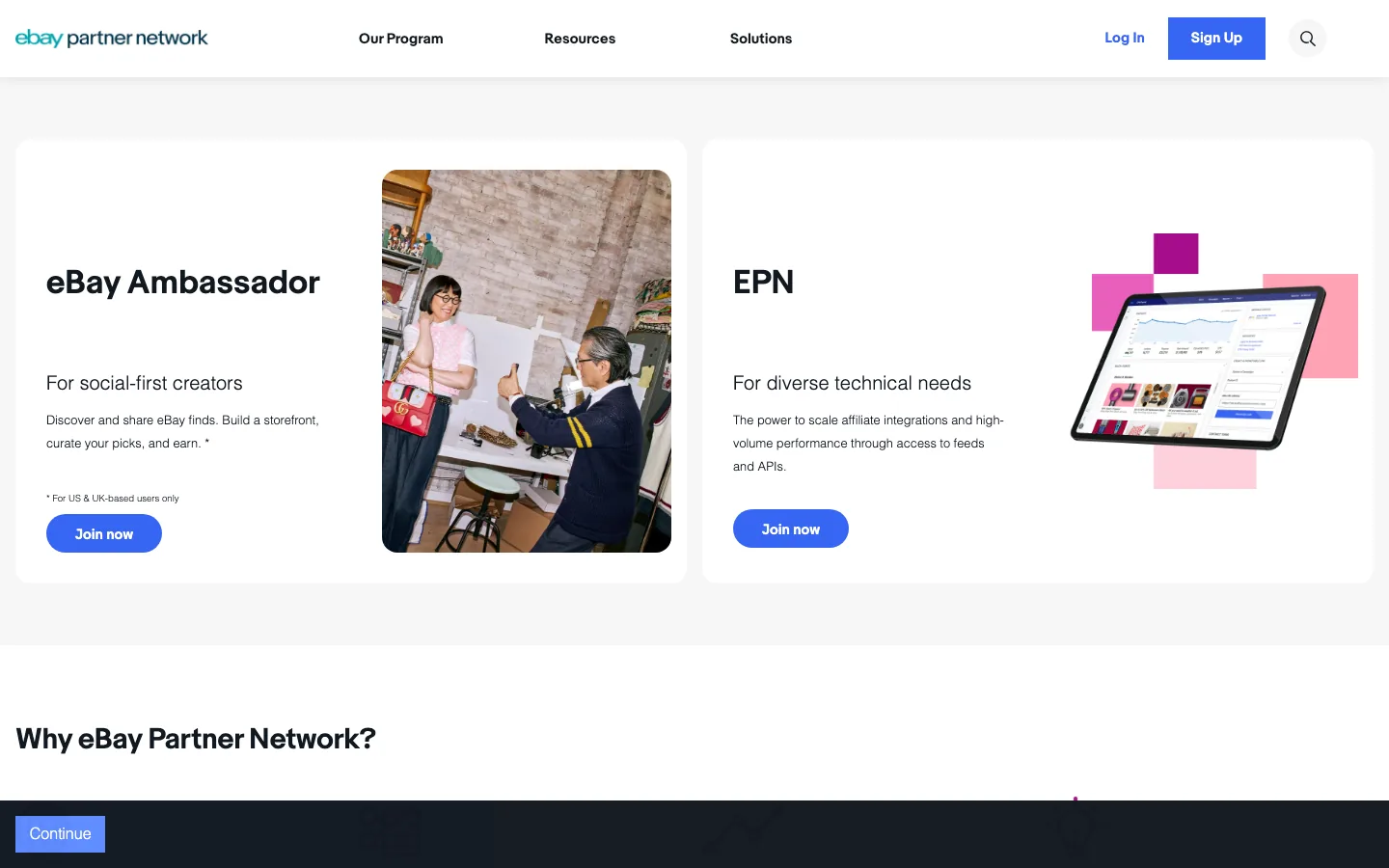
Use it when product freshness is part of the reader job. A static "best" list may age quickly, but a guide to what to check before buying, how to compare listings, or how to identify compatible parts can stay useful.
The main SEO risk is outdated inventory. If the article points to items that disappear, update the page often or link to category/search paths with clear context. Keep disclosure close to the recommendation and avoid hiding marketplace links behind vague buttons.
Build A Small Affiliate Content System
The program is only one layer. A beginner content site also needs a publishing system that can choose topics, produce pages, validate crawlability, and update stale proof.
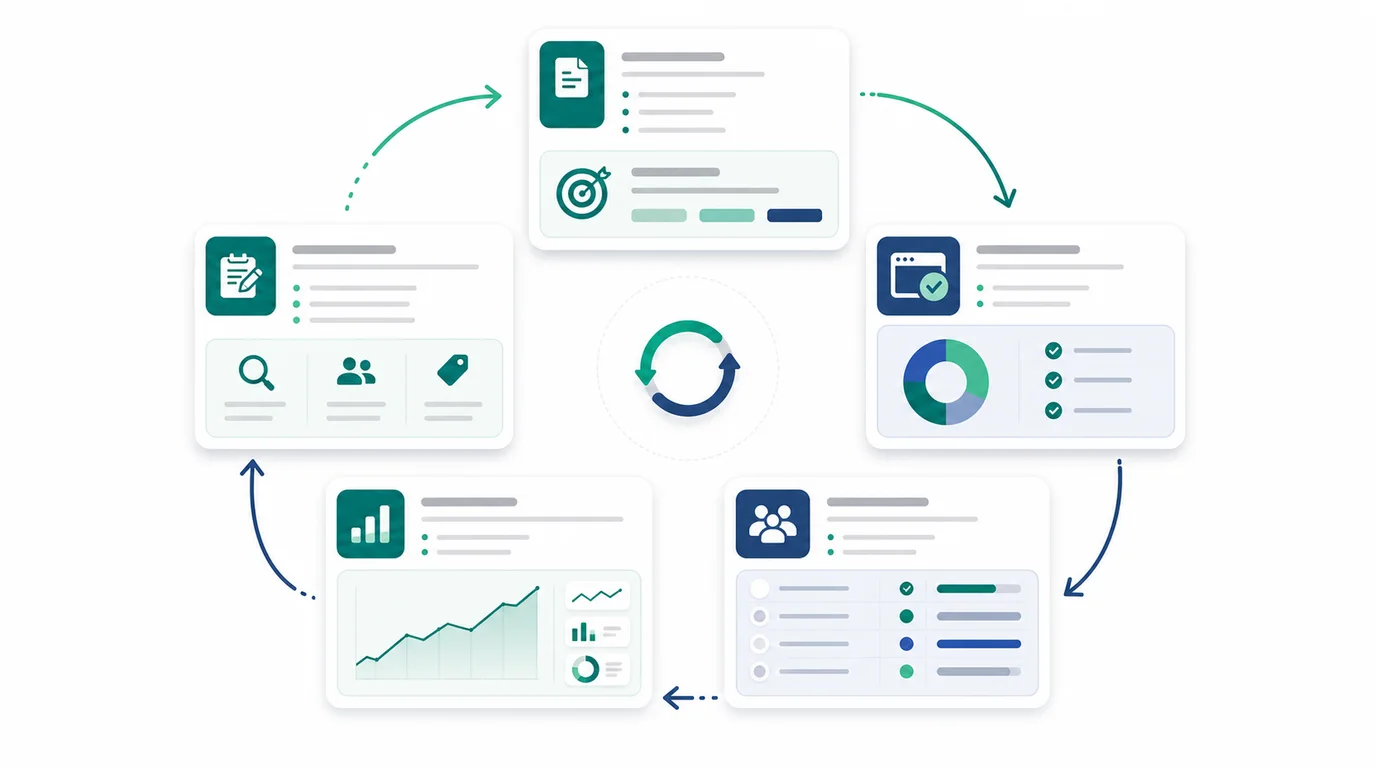
Use this workflow for the first 30 days:
| Week | Job | Output |
|---|---|---|
| 1 | Pick one niche and two page types | Program shortlist and content map |
| 2 | Collect official product evidence | Screenshots, terms notes, product-page links, and disclosure copy |
| 3 | Publish a small cluster | One roundup, one tutorial, one comparison or support article |
| 4 | Validate and decide | Indexability checks, impressions, clicks, conversion context, and update tasks |
This is where Searvora fits. Blogify helps teams turn approved content briefs into Shopify-ready drafts with metadata, internal links, and structured sections. AI SEO Consultant helps prioritize the topic and evidence checklist. SEO Spider Crawler helps validate indexability, metadata, internal links, and sitemap coverage after the page ships.
For traffic validation, connect this roundup to Traffic Analysis Tools That Turn Visits Into SEO Work and How to Drive Organic Traffic to a Website With Proof. The goal is not simply to publish affiliate pages. It is to learn which pages earn qualified search demand and deserve more investment.
Beginner Decision Checklist
Pick Amazon Associates first if you need broad product coverage and can write useful product-led pages.
Pick Awin, CJ, or Rakuten if your niche has enough ecommerce brands to compare and you are ready for merchant-by-merchant approval.
Pick impact.com if your content strategy already includes partner management, creator, referral, or brand relationship workflows.
Pick PartnerStack if your audience buys B2B SaaS and your site can support credible software evaluation.
Pick Shopify if your audience is trying to start, migrate, or grow ecommerce stores.
Pick eBay Partner Network if the value comes from marketplace discovery, deals, collectors, refurbished products, or changing inventory.
Before publishing the first page, confirm:
- The program matches your reader's buying job.
- The article type matches the query, especially for "best" and "top" searches.
- The page includes current official-source evidence.
- Affiliate disclosure is visible near recommendations.
- Claims about payouts, policy, availability, and approval are checked against official pages.
- The page is crawlable, internally linked, canonicalized, and included in the right sitemap.
- You know what performance signal will decide whether to expand, refresh, merge, or stop.
The best beginner program is the one you can explain honestly, support with useful content, and validate with search data. Start narrow, publish with evidence, and let the first cluster tell you which affiliate path is worth scaling.