

Mixed follow and nofollow internal links are usually a template-governance problem before they become a crawl problem. When one important destination receives a normal internal link from one part of the site and a rel="nofollow" link from another, do not remove attributes at random. First decide whether the destination should be discoverable, indexable, and part of the site’s intended internal-link path.
The practical goal is to find the exact source links, identify the component or CMS rule that produced the conflict, choose the appropriate indexation or architecture control, and then recrawl the changed section. Google notes that nofollow links are generally not followed, but the target can still be discovered from sitemaps and other links. It is a relationship signal, not a reliable substitute for a page-level indexing or crawl policy. See Google’s link qualification guidance for the current distinction.
What a mixed internal-link signal actually means
A mixed pattern does not automatically mean that a page cannot rank. It means the site is sending inconsistent instructions about how one route fits into the architecture. The risk rises when the target is a product, category, editorial hub, or other page that depends on internal discovery.
| What you find | Likely interpretation | First question to answer |
|---|---|---|
| Follow and nofollow links point to the same canonical URL | Two templates or editorial rules disagree | Which source template should own the link policy? |
| Only a filtered, parameterized, or utility route is nofollowed | A crawl-control shortcut may be masking a URL-policy problem | Should the route be linked, canonicalized, noindexed, blocked from fetching, or removed from navigation? |
| Important navigation links are nofollowed | A shared component may be weakening a key discovery path | Is the destination intentionally excluded from the information architecture? |
| The target is non-indexable or canonicalized elsewhere | The link issue may be secondary to an indexing decision | What is the canonical target and what should users discover instead? |
The right response starts with intent, not with a blanket “remove all nofollow” rule. A normal editorial or navigation link should remain normal when the destination belongs in the crawl path. A page that should not appear in search results needs an indexing decision; a URL that must not be fetched needs a crawl boundary; duplicate variants need canonical and architecture work.
Start with the target URL and its source links
Begin with one affected destination URL rather than a site-wide list of every nofollow link. The goal is to explain why the same target gets conflicting treatment.
- Confirm the target’s final HTTP status, canonical URL, indexability, and sitemap status.
- Export or inspect every known source URL that links to that target, including navigation, breadcrumbs, body copy, related-content modules, filters, and footer links.
- Group the sources by template or CMS component. Ten inconsistent links from one module are one ownership problem, not ten unrelated fixes.
- Compare the link relationship with the target page’s intended role. A money page, hub, or supporting article usually needs a clear crawlable path; a login or disposable filter route may need a different control altogether.
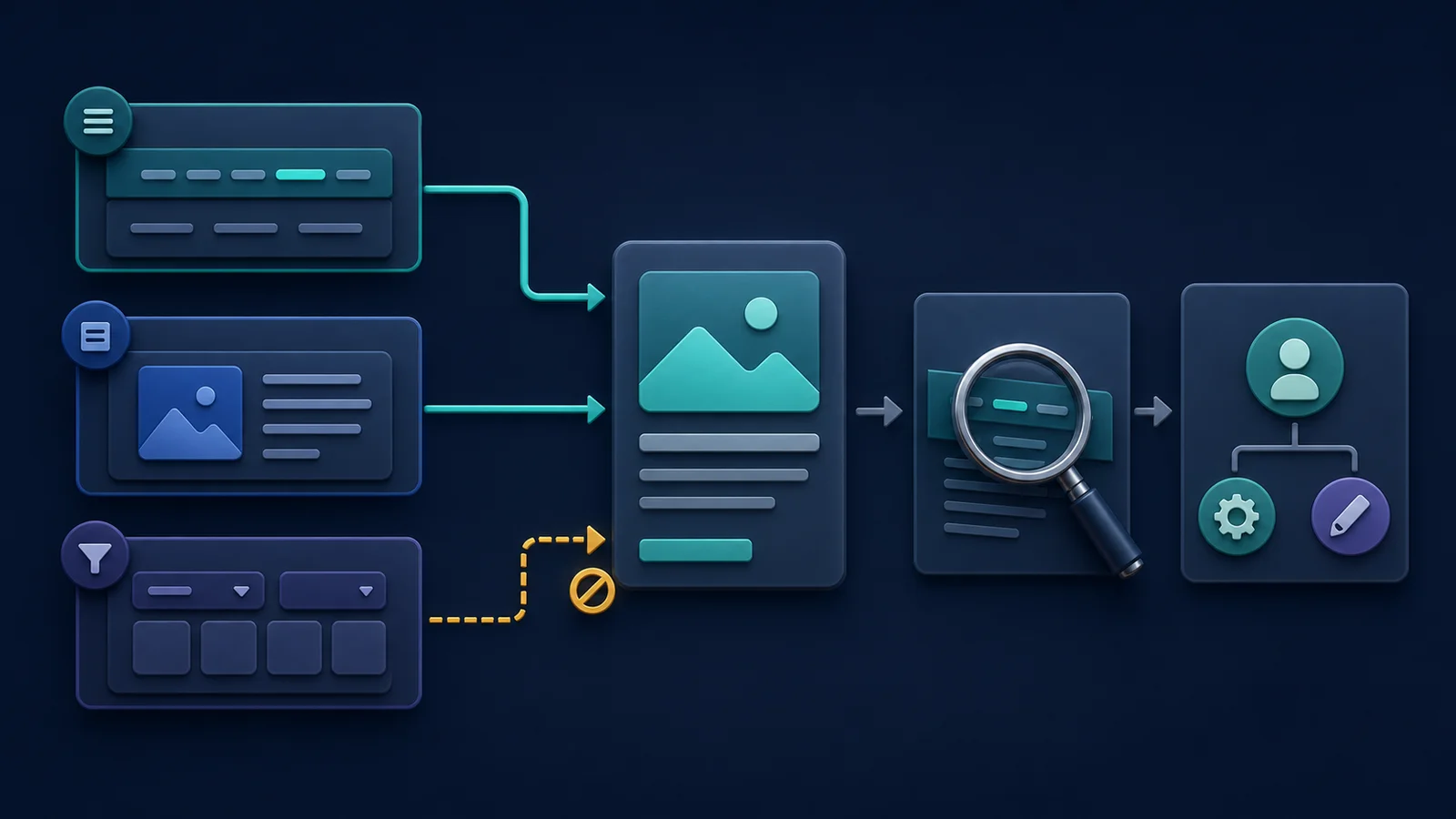
Use a compact evidence sheet before anyone edits production markup:
| Evidence field | Why it matters |
|---|---|
| Source URL and page type | Shows whether navigation, content, or a utility template introduced the rule. |
| Destination URL and canonical | Prevents a link-attribute change from hiding a larger duplication issue. |
Rendered rel value | Confirms the live HTML, not only the CMS preview, carries the observed behavior. |
| Template or component owner | Gives the fix to the team that can stop the pattern from spreading. |
| Crawl depth and alternate paths | Distinguishes a harmless duplicate route from a discovery risk. |
For the broader classification question—when a link should be normal, sponsored, ugc, or nofollow—use the companion nofollow attribute workflow. This article stays focused on the narrower case where internal sources disagree about the same destination.
Choose the control that matches the real goal
Do not use link-level nofollow as a catch-all technical control. Match the action to the outcome you need.
| Desired outcome | Do not rely on | Better action | Validation signal |
|---|---|---|---|
| Keep an important page discoverable | A mix of follow and nofollow navigation links | Remove the unintended internal nofollow rule and keep a clear canonical internal path | The live HTML contains the intended links and the recrawl shows stable discovery paths |
| Consolidate duplicate or variant URLs | Nofollow alone | Select the intended canonical, repair internal links, and reduce links to unwanted variants | Crawls show internal links favor the canonical target |
| Keep a crawlable page out of search results | A nofollow link to the page | Allow the page to be crawled and use the appropriate noindex rule | The page is crawlable, exposes the rule, and drops from the index after recrawling |
| Prevent crawling of a route family | A few nofollow links in a template | Apply a deliberate robots or architecture control after checking business and rendering effects | The fetch boundary behaves consistently across the intended URL pattern |
| Remove a low-value utility route from SEO navigation | Nofollow without changing the module | Stop surfacing the route in SEO-critical templates or replace the link with the useful destination | Important paths no longer depend on an accidental utility link |
Google’s noindex documentation makes the key distinction explicit: a page needs to remain crawlable for Google to see a noindex rule. That is why blocking fetches and blocking indexation are separate decisions.
Fix the template rule instead of one random link
Once you know the desired behavior, repair the smallest shared rule that can prevent recurrence. That may be a navigation component, a CMS field default, a faceted-navigation rule, or a page-type conditional.
A focused implementation sequence
- Write the expected behavior in plain language: which target pages should receive ordinary internal links, which route families should not be linked, and which pages use indexing controls.
- Make the change in the owning component or CMS template rather than patching one URL by hand.
- Test a small sample across templates, locales, and device rendering paths before rolling it out.
- Check that links point to the selected canonical version and do not reopen a redirect, parameter, or duplication problem.
- Record an owner and recrawl criterion so the same nofollow rule is not reintroduced during a later content or navigation change.
This is adjacent to a broad internal links for SEO audit, but it is a different job. A full audit finds structural opportunities across the site. A mixed follow/nofollow finding is a targeted diagnosis that must trace one inconsistent signal back to its source template and decision owner.
Validate in live HTML and then recrawl
The deployment is not the finish line. Validate the rendered page and the crawl path after the template change, especially when a shared component affects multiple directories.
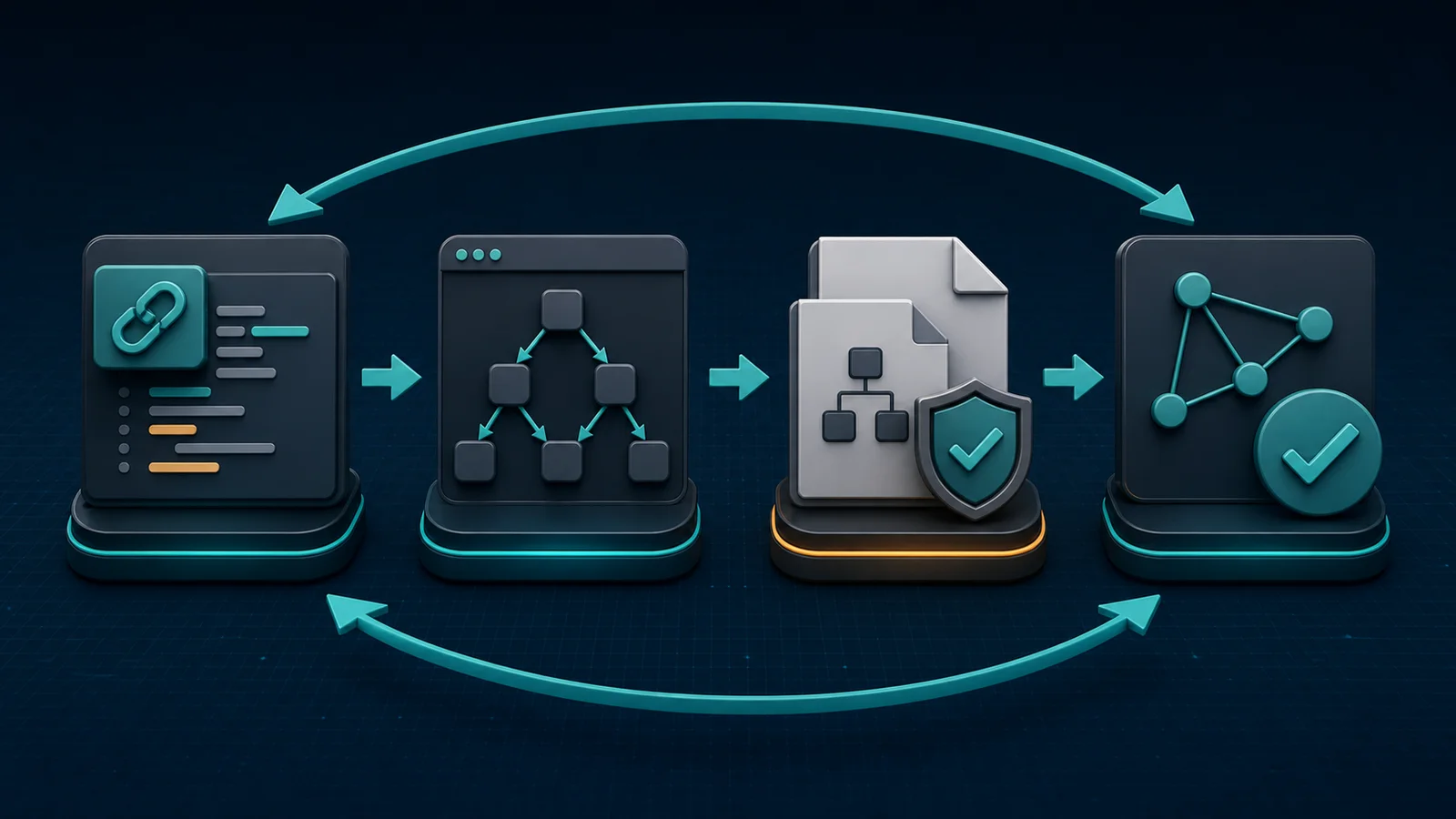
Use this acceptance checklist:
- The affected source pages show the intended
relbehavior in live HTML. - Important destinations still receive ordinary crawlable internal links from the pages that should recommend them.
- Canonical,
noindex, robots, and redirect signals agree with the stated page policy. - No template introduces a second, conflicting link pattern on another locale or page type.
- A focused recrawl confirms the source-to-target paths, depth, and final URL behavior.
- The owner can explain why the rule exists and when it should be revisited.
Turn the finding into an owner-ready fix queue
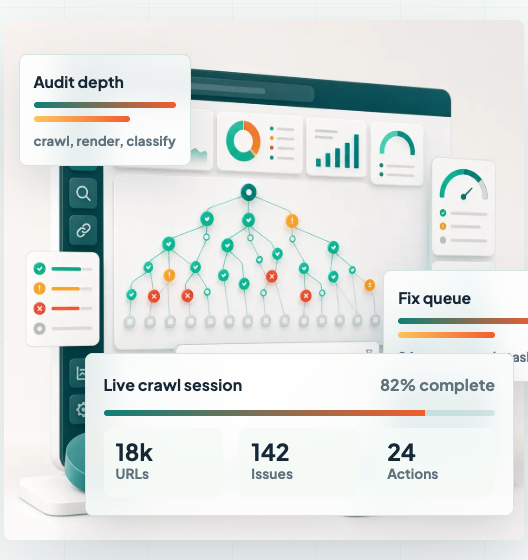
A crawl finding becomes useful when it is connected to a decision and a verification step. The local Searvora crawler product page is a useful fit for that operational loop: it describes technical audits that surface indexability, architecture, and rendering risk, then turn the evidence into a prioritized fix queue.
The durable outcome is not “fewer nofollow links.” It is an internal-link policy that matches the site’s intended architecture, keeps important pages discoverable, and gives the team a repeatable validation loop after every template change.