

If the job is how banks can improve ai search visibility, start by giving answer systems better source evidence to reuse. That means mapping the banking queries that matter, making the right service and trust pages crawlable, keeping entity facts consistent, and validating whether AI answers mention or cite the pages that should win.
This is not a shortcut around banking compliance, brand governance, or technical SEO. It is a workflow for making the public evidence cleaner so AI search systems have less reason to rely on competitors, directories, or thin third-party summaries.
Start With Banking Query Groups
Do not start with one broad prompt. Build query groups that match real banking discovery jobs. A regional bank, digital bank, credit union, and financial services platform will not need the same evidence.
| Query group | What the searcher needs | Page that should support the answer |
|---|---|---|
| Brand trust | Whether the bank is legitimate, safe, or well reviewed | About, security, reviews, disclosures, and support pages |
| Product comparison | Which account, card, mortgage, or treasury service fits | Product pages, comparison pages, fee pages, and FAQs |
| Local access | Branch, ATM, service area, or local eligibility details | Location pages, branch finders, and local profile pages |
| Business banking | Services for small business, commercial, or treasury needs | Business banking hub, product pages, and case evidence |
| Digital banking | Mobile banking, online account management, or support tasks | Product, support, onboarding, and help pages |
Build Source Evidence AI Answers Can Reuse
AI search systems need public source material that connects the bank to a query, service, audience, and trust claim. The useful work is not stuffing AI phrases into pages. The useful work is making the evidence easy to understand.
Start with these source layers:
| Evidence layer | Banking example | Fix when weak |
|---|---|---|
| Entity clarity | Legal name, brand name, parent company, locations, and service areas | Normalize names across the site, profiles, schema, and help pages |
| Product clarity | Account types, eligibility, service details, fees, and support paths | Put the answer on the canonical product page, not only in PDFs |
| Trust evidence | Security practices, disclosures, review surfaces, support policies, and public proof | Link trust pages from product and support journeys |
| Local evidence | Branch pages, hours, ATM details, NAP consistency, and local profiles | Keep local facts current and indexable |
| Source ownership | The bank's owned page should be the best source for the answer | Rewrite or consolidate pages that force answer systems to cite others |
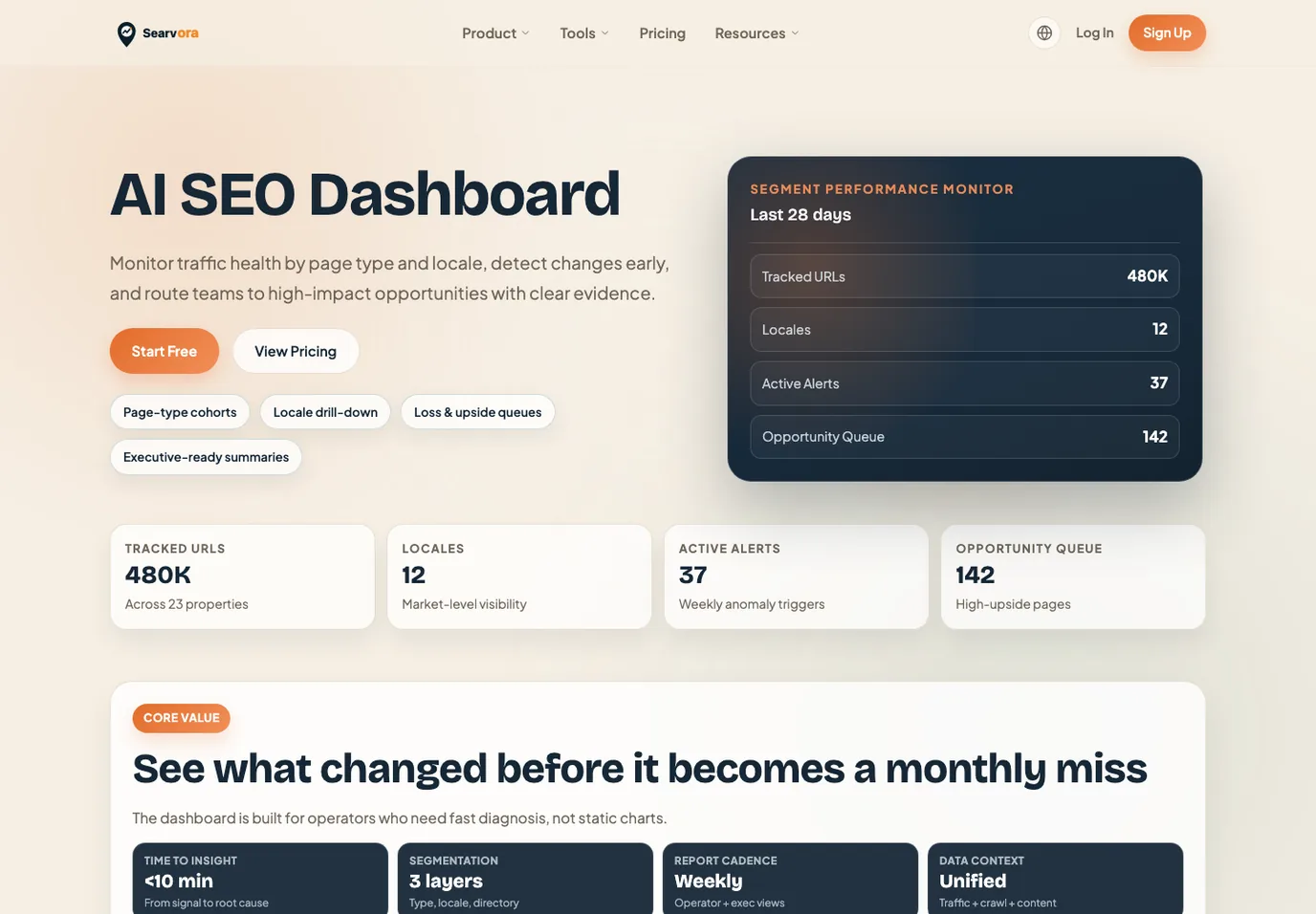
This is where existing Searvora workflows can support the cluster. Use the brand visibility in AI search workflow for the broader entity layer, then use an AI search citation audit when the problem is a specific missing source URL.
Check Crawl Eligibility Before Rewriting
Banking teams often have strong content buried behind weak technical signals. The page may be useful, but AI search systems still need normal search eligibility before they can treat it as a source.
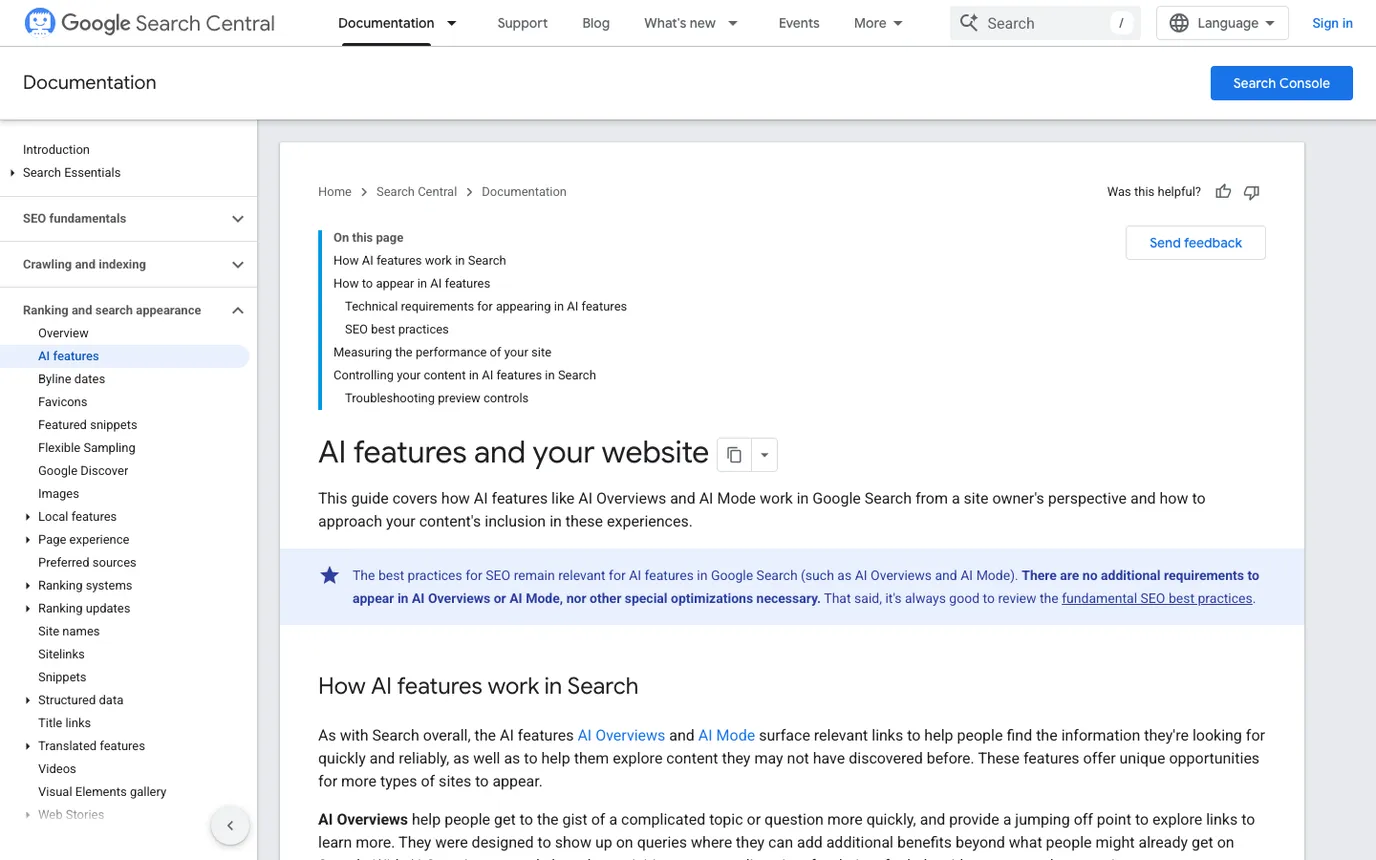
Google's AI features guidance ties eligibility to the same baseline as Search: accessible, useful pages that can appear with supporting links. That makes the technical pass non-negotiable.
Run this check before assigning content work:
| Check | Pass condition | Banking risk when weak |
|---|---|---|
| Indexability | The canonical source page is indexable | AI answers may cite directories, aggregators, or competitors |
| Canonical | The canonical URL is the page that should own the query | Product and FAQ duplicates split the evidence |
| Rendered content | Key details appear in HTML, not only a PDF, app panel, or hidden widget | The answer system cannot reuse the most important facts |
| Internal links | Hubs, product pages, location pages, and support pages link clearly | Important pages look isolated or low-confidence |
| Sitemap freshness | High-value pages are discoverable and maintained | Old pages can outcompete current disclosures or product information |
| Structured facts | Organization, local, FAQ, and product facts are consistent | Entity confusion creates avoidable citation gaps |
Turn Visibility Findings Into A Bank Fix Queue
Once the source pages and technical checks are mapped, turn the findings into work. The queue should separate compliance review, product marketing, SEO, content, and engineering ownership.
| Finding | Better next action | Owner |
|---|---|---|
| Brand mentioned but no bank URL cited | Improve the owned source page for that query group | SEO lead and product marketing |
| Competitor cited for a product comparison | Add clearer comparison context and internal links | Product marketing |
| Directory cited for local access | Fix branch/location pages and local profile consistency | Local SEO or operations |
| Review site cited for trust | Improve trust pages and review-source alignment | Brand or reputation lead |
| Page eligible but not useful | Rewrite the answer block, examples, and FAQ section | Content lead |
| Page useful but blocked | Fix noindex, robots, canonical, or rendering issues | Engineering or technical SEO |
The queue matters because banks rarely have one owner for visibility. A product page fix may need compliance approval. A branch page update may need operations. A crawl issue may need engineering. AI search visibility improves when the evidence work reaches the right team instead of sitting in an SEO note.
Where Searvora Fits
Searvora AI SEO Dashboard fits the monitoring and handoff layer. Use the AI SEO dashboard to organize query groups, page cohorts, visibility changes, cited sources, and owner-ready actions.
The dashboard is not a replacement for compliance review or product-page ownership. It is the place to keep visibility evidence, source URLs, and action owners in one repeatable cadence.
For entity-level monitoring, pair this article with the brand mentions in AI answers workflow. For source-level issues, pair it with the citation audit workflow. That keeps the bank from treating every prompt as a new content request.
Recheck The Same Queries After Fixes Ship
The last step is validation. Record the query group, market, language, answer state, cited sources, page that should win, owner, shipped change, and recheck date. Then rerun the same checks after enough time for crawling and answer changes.
Use this review sequence:
- Choose one banking query group, such as business checking, mortgage eligibility, branch access, or digital banking support.
- Record whether AI answers mention the bank, cite the bank, cite competitors, cite review sites, or cite local directories.
- Pick the owned page that should support the answer.
- Check indexability, canonical, rendered content, internal links, sitemap coverage, and entity facts.
- Ship one assigned fix with a clear owner.
- Recheck the same query group and compare cited sources, Search Console movement, and buyer-path relevance.
Banks improve AI search visibility when their public evidence is clear enough for answer systems to reuse and their teams can validate the same query set again. Start with source pages, fix crawl eligibility, assign the work, and keep the visibility loop stable enough to learn from.