

If you are asking what is organic traffic, the plain answer is that it is the visits a website receives from unpaid search results and other organic discovery surfaces. For SEO work, the useful definition is narrower: a page earned attention because it matched a searcher's need, was accessible enough to be found, and looked relevant enough to be selected.
That means organic traffic is not just a line in analytics. It is evidence that a search system found a page, matched it to a query or topic, and sent a user without a paid click. The next question is not "how much traffic did we get?" It is "which page, which search task, which signal, and what should we change next?"
Organic Traffic Is A Source And A Page Decision
Analytics tools usually classify organic traffic by source or channel. A visit from Google organic search, Bing organic search, or another non-paid search result may land in the organic bucket. That classification is useful, but it does not explain whether the page is healthy, whether the query was a good fit, or whether the traffic supports the business.
Use the channel label as the starting point, then connect it to page-level evidence:
| Evidence | What it tells you | Better next question |
|---|---|---|
| Source or medium | Where the visit was attributed | Is this really unpaid search discovery? |
| Landing page | Which URL received the visit | Does the page match the searcher's task? |
| Query data | Which terms or topics created visibility | Is the page ranking for the right intent? |
| Crawl and index state | Whether search systems can access the page | Is eligibility limiting the result? |
| Conversion or assisted action | Whether the visit helped the business | Should this page get more work? |
Google's Search Console Performance report is useful because it separates clicks, impressions, CTR, average position, queries, and pages. Analytics can show what happened after the visit. The work gets sharper when those two views are read together.
Separate Organic Traffic From Nearby Channels
Organic traffic can be misread when teams mix it with direct traffic, referral traffic, paid search, social traffic, email clicks, or untagged campaigns. Before rewriting pages, make sure the traffic bucket is clean enough to trust.
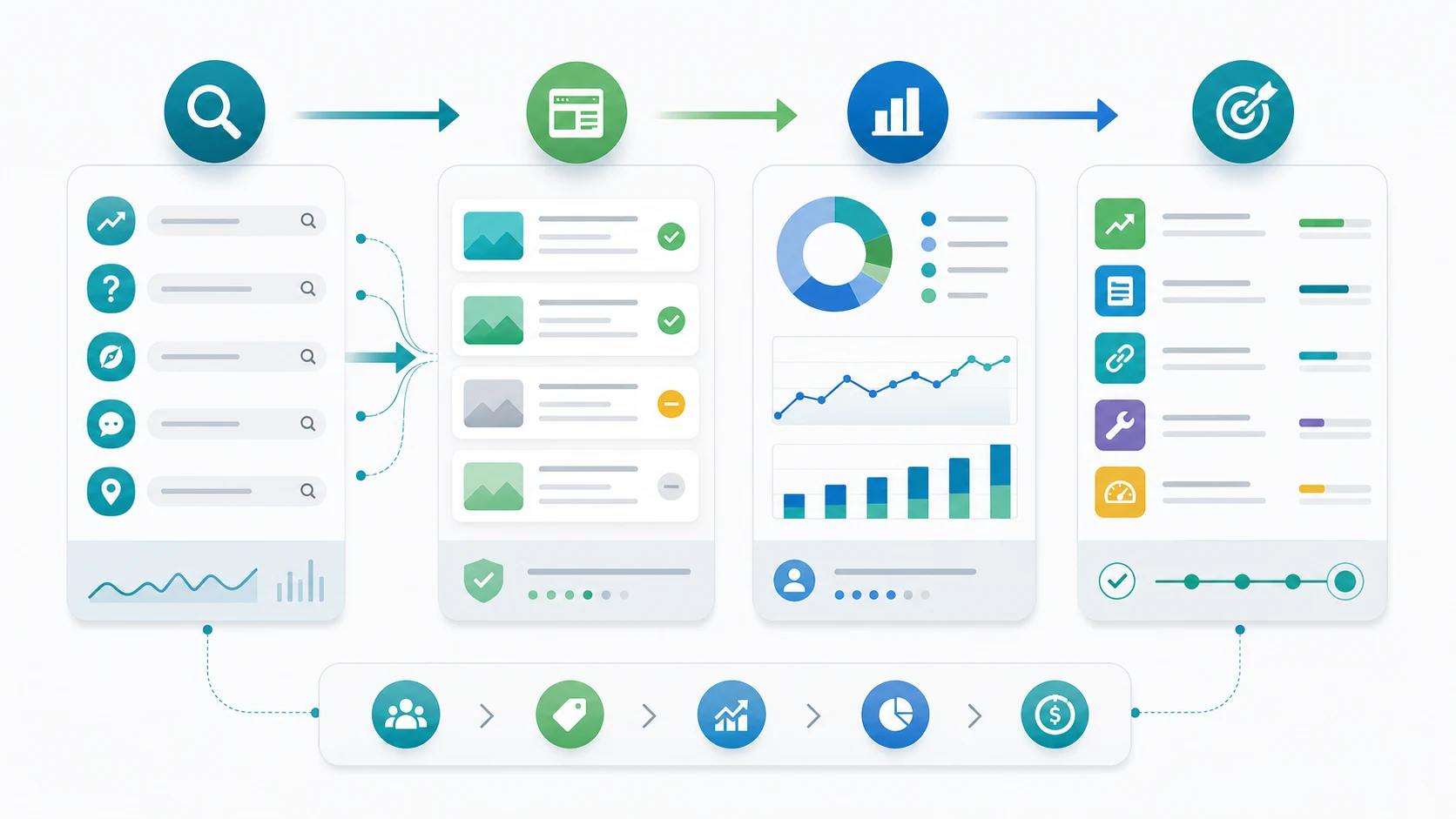
Use this checklist before making a content or technical change:
- Confirm the landing page is indexable and can be discovered from internal links or sitemap entries.
- Compare Search Console page/query data with analytics landing-page traffic.
- Check whether paid search, email, or campaign links are being misclassified.
- Segment branded and non-branded demand when the business has enough data.
- Compare the page's search intent against the title, H1, intro, and internal anchors.
- Decide whether the next action is technical repair, content improvement, internal linking, consolidation, or monitoring.
This step protects teams from busywork. A page with organic visits but no matching query data may have attribution noise. A page with impressions but few clicks may need a better search result promise. A page with no impressions may need crawl, indexing, or internal-link work before a rewrite matters.
Read Organic Traffic By Search Job
The same organic visit can mean different things depending on the searcher's job. A definition query, a pricing query, a comparison query, a troubleshooting query, and a product-intent query should not be judged by the same rule.
| Search job | Organic traffic means | Next useful action |
|---|---|---|
| Definition | The page helps searchers understand a concept | Add examples, route to practical workflows, and keep the answer clear |
| How-to | The page helps a task get done | Put steps, validation checks, and owner handoff near the top |
| Comparison | The page helps a decision | Use criteria, tradeoffs, and scenario-based recommendations |
| Product evaluation | The page supports commercial discovery | Clarify fit, proof, page type, and CTA |
| Troubleshooting | The page helps diagnose a symptom | Separate causes, fixes, and validation windows |
This is why "more organic traffic" is too blunt as a goal. A blog page may bring awareness visits. A product page may bring qualified comparison traffic. A technical documentation page may earn fewer visits but protect a high-value conversion path.
If the search job is unclear, use search intent in SEO before expanding the page. If the traffic changed suddenly, pair the source check with the organic traffic drop triage path instead of guessing.
Connect Traffic To Eligibility Before Rewriting
Organic traffic can fall because the content is weak. It can also fall because the page is harder to crawl, canonicalized incorrectly, missing from internal links, blocked by robots rules, too slow to render, or buried inside a weak URL structure.
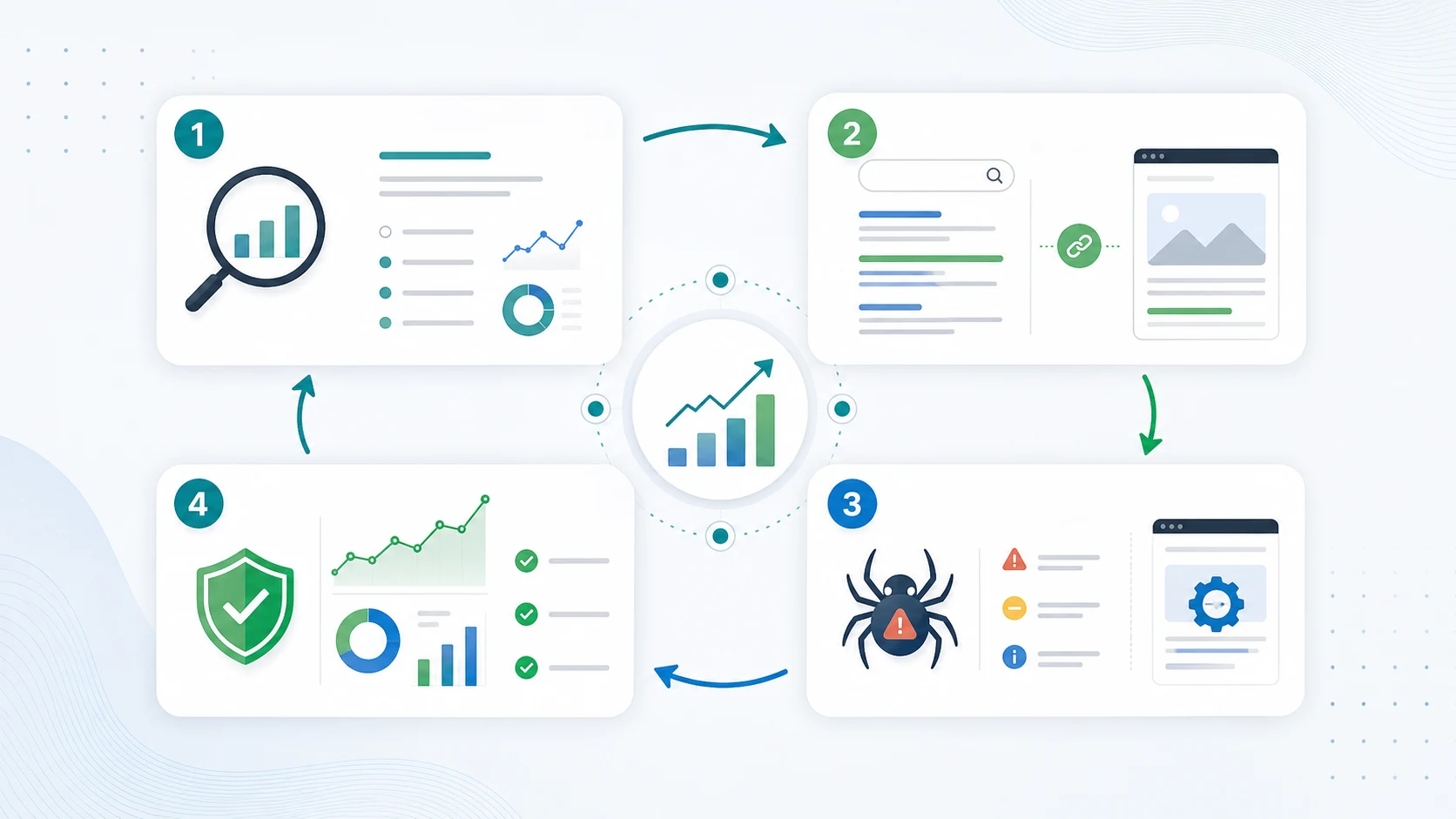
Before assigning a rewrite, inspect the eligibility layer:
| Check | Why it matters | What to do when it fails |
|---|---|---|
| Crawl access | Search systems need to reach the page | Fix robots, status codes, redirects, or blocked resources |
| Indexability | The page needs a valid path into the index | Review noindex, canonical, duplication, and quality signals |
| Internal links | Important pages need discoverable paths | Add relevant links from hubs, product pages, or supporting articles |
| Sitemap state | Sitemaps should describe the intended indexable set | Remove noise and include priority canonical URLs |
| Rendered content | Search systems need to see the primary content | Test the rendered page and template behavior |
For technical evidence, use a crawl before changing copy. For measurement evidence, compare Search Console and analytics by page group. For AI search and GEO work, also check whether the page has clear definitions, examples, entity signals, and source-quality evidence that can be summarized or cited.
When Organic Traffic Needs A Dashboard
Small sites can review organic traffic page by page. Larger sites need segmentation. A useful dashboard should separate page types, directories, locales, query groups, branded demand, non-branded demand, and traffic anomalies so the team can assign the right work.
Searvora's AI SEO dashboard fits that operating layer. The product page positions it around page-type and locale performance, anomaly detection, prioritized opportunities, and execution-oriented monitoring. That is the right shape when organic traffic work needs to move from broad reporting into page cohorts and owners.
A Practical Organic Traffic Review
Use this weekly review when the definition needs to become action:
- Pick one page group, not the whole site.
- Compare organic clicks, impressions, CTR, average position, and landing-page sessions.
- Split branded and non-branded demand where possible.
- Identify the search job behind the strongest query group.
- Check crawl access, indexability, canonical, sitemap, internal links, and rendered content.
- Decide whether the page needs a snippet rewrite, content refresh, technical fix, internal link, consolidation, or no action.
- Set a validation window and recheck the same segment.
That is what organic traffic means in practical SEO work. It is not just unpaid visits. It is evidence that a page, a search task, and a discovery system are interacting. The value comes from reading that evidence clearly enough to choose the next page action.